UC, UC Health to launch Phase 3 clinical trial for COVID-19 vaccine
Vaccine uses a genetic code to produce proteins that may generate protective antibodies

Researchers at the University of Cincinnati and UC Health will host a Phase 3 clinical trial to evaluate the effectiveness of a vaccine for COVID-19, the respiratory illness caused by the novel coronavirus SARS-CoV-2.
UC is one of approximately 90 sites across the United States selected for the study, which will administer the vaccine candidate mRNA-1273 to volunteer participants and monitor its efficacy in eliciting an immune response that provides protection from COVID-19. The National Institute of Allergy and Infectious Diseases, (NIAID), part of the National Institutes of Health, is funding the study.

Carl Fichtenbaum, MD, of the UC College of Medicine Division of Infectious Diseases, medical director of the COVID-19 vaccine trial. Photo/Colleen Kelley/UC Creative + Brand
“UC was chosen because we have a proven track record of high-quality research and are the number one site in the NIAID-funded, AIDS Clinical Trials Group in the U.S. We are proud to bring leading-edge research to Cincinnati so that we can help our community battle the COVID-19 pandemic and be part of the solution,” said Carl Fichtenbaum, MD, professor in the Division of Infectious Diseases at the UC College of Medicine and a UC Health physician.
Fichtenbaum is co-investigator of the study and will serve as medical director.
Read the full story here.
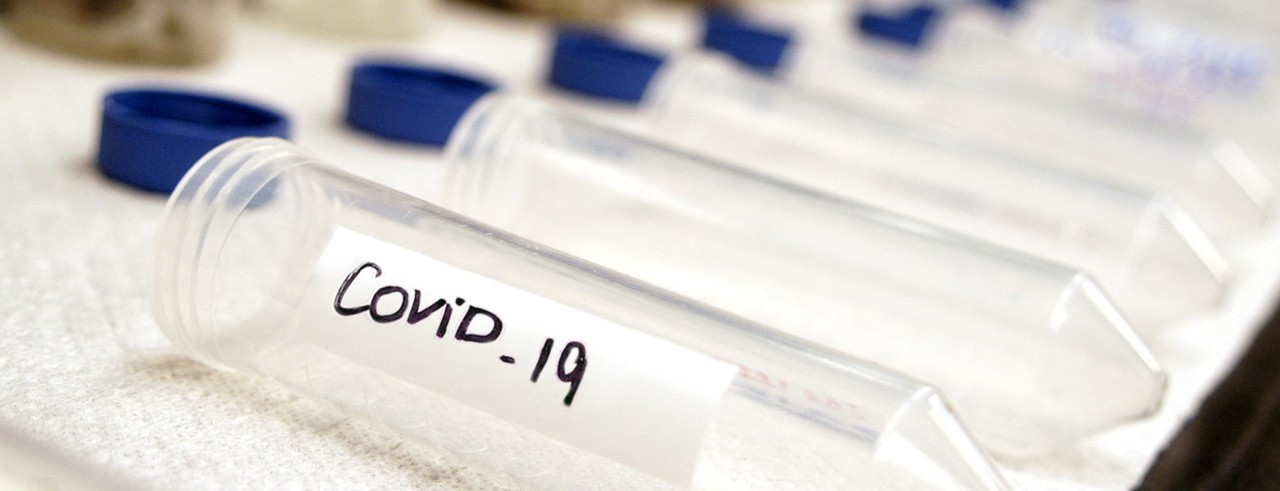
Featured photo of COVID-19 vials by Colleen Kelley/UC Creative + Brand
Impact Lives Here
The University of Cincinnati is leading public urban universities into a new era of innovation and impact. Our faculty, staff and students are saving lives, changing outcomes and bending the future in our city's direction. Next Lives Here.
Stay up on all UC's COVID-19 stories, read more #UCtheGood content, or take a UC virtual visit and begin picturing yourself at an institution that inspires incredible stories.
Related Stories
Sugar overload killing hearts
November 10, 2025
Two in five people will be told they have diabetes during their lifetime. And people who have diabetes are twice as likely to develop heart disease. One of the deadliest dangers? Diabetic cardiomyopathy. But groundbreaking University of Cincinnati research hopes to stop and even reverse the damage before it’s too late.
App turns smartwatch into detector of structural heart disease
November 10, 2025

An app that uses an AI model to read a single-lead ECG from a smartwatch can detect structural heart disease, researchers reported at the 2025 Scientific Sessions of the American Heart Association. Although the technology requires further validation, researchers said it could help improve the identification of patients with heart failure, valvular conditions and left ventricular hypertrophy before they become symptomatic, which could improve the prognosis for people with these conditions.
Combination immunotherapy helps overcome melanoma treatment resistance
November 10, 2025

MSN highlighted research led by the University of Cincinnati Cancer Center's Trisha Wise-Draper showing a combination of immunotherapy medications can activate a robust immune response and help overcome treatment resistance in patients with refractory melanoma.