The New York Times: Medical students aid homebound seniors
UC medical students develop COVID-19 Match program

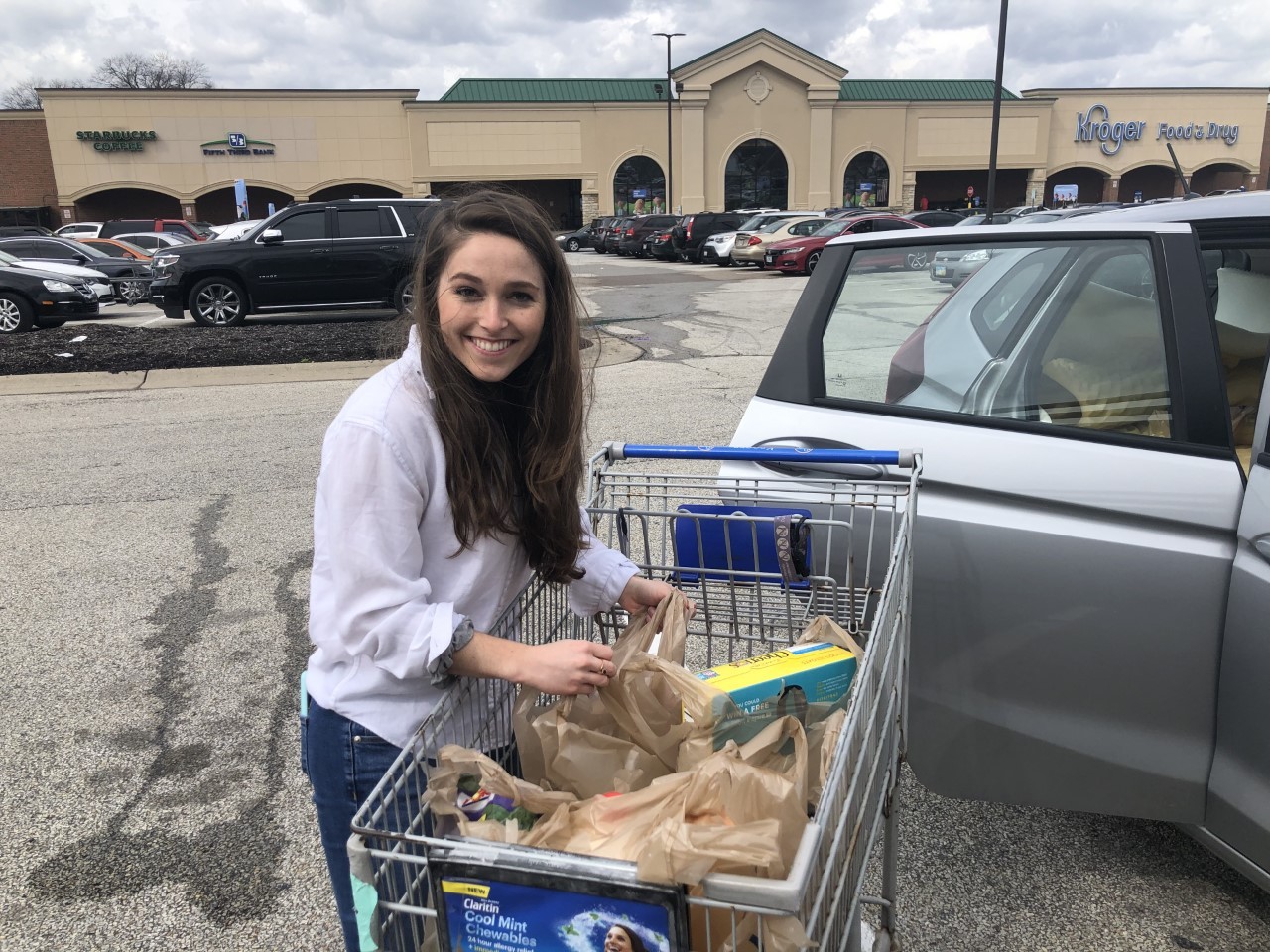
Aspiring doctors at UC whose studies were interrupted by the coronavirus have morphed their mission into taking care of people who are especially vulnerable to the pandemic's dangers. The Associated Press, whose story was picked up nationally, looks at UC medical students who started a “COVID-19 match” program. It allows healthy student volunteers to do grocery shopping, pick up prescriptions or perform other errands for high-risk individuals — or just send cards and check in.
The New York Times, the Washington Post, Yahoo UK, the Houston Chronicle, the Toronto Star and US News and World Report were among the publications carrying the story about COVID-19 Match, an effort spearheaded by UC medical students, Cassandra Schoborg and Thomas Daley.
Related Stories
Sugar overload killing hearts
November 10, 2025
Two in five people will be told they have diabetes during their lifetime. And people who have diabetes are twice as likely to develop heart disease. One of the deadliest dangers? Diabetic cardiomyopathy. But groundbreaking University of Cincinnati research hopes to stop and even reverse the damage before it’s too late.
Is going nuclear the solution to Ohio’s energy costs?
November 10, 2025

The Ohio Capital Journal recently reported that as energy prices continue to climb, economists are weighing the benefits of going nuclear to curb costs. The publication dove into a Scioto Analysis survey of 18 economists to weigh the pros and cons of nuclear energy. One economist featured was Iryna Topolyan, PhD, professor of economics at the Carl H. Lindner College of Business.
App turns smartwatch into detector of structural heart disease
November 10, 2025

An app that uses an AI model to read a single-lead ECG from a smartwatch can detect structural heart disease, researchers reported at the 2025 Scientific Sessions of the American Heart Association. Although the technology requires further validation, researchers said it could help improve the identification of patients with heart failure, valvular conditions and left ventricular hypertrophy before they become symptomatic, which could improve the prognosis for people with these conditions.