Tech Xplore: UC research explores security of smart speakers
UC is investigating the vulnerabilities of these ubiquitous devices

TechXplore examined research by computer scientists at the University of Cincinnati to improve security of smart speakers such as Amazon's Alexa and Google Home.
UC's College of Engineering and Applied Science assistant professor Boyang Wang received a two-year grant of $175,000 from the National Science Foundation to examine vulnerabilities that could allow hackers to take command of these ubiquitous speakers.
"People use them every day. It's convenient. On the other hand, we don't have a good understanding of the vulnerabilities they have," Wang said.
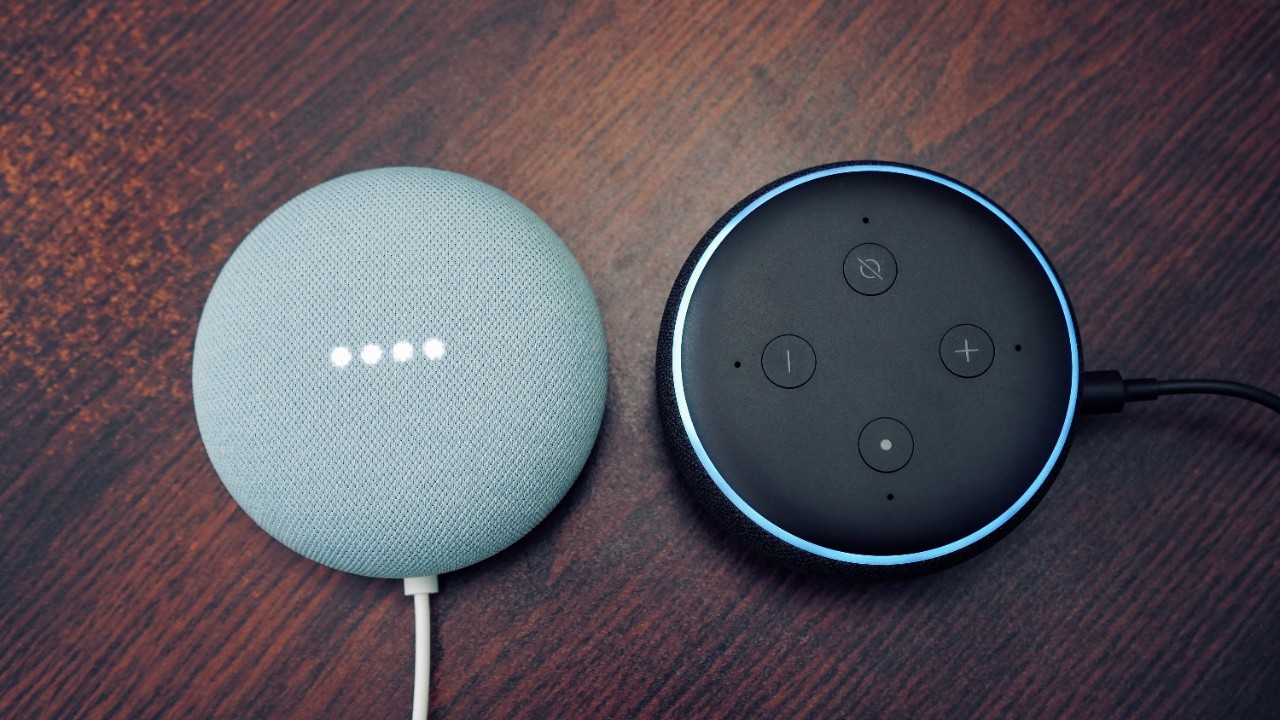
Featured image at top: More than 157 million smart speakers are found in homes and offices in the United States. Photo/Yasin Hasan/Unsplash
More CEAS research in the news
7th Space: Researchers examine security of voice-activated speakers
Bioengineer.org: UC to use NSF grant to study security of smart speakers
Science Magazine: Hey, Alexa, who else is listening right now?
Related Stories
Sugar overload killing hearts
November 10, 2025
Two in five people will be told they have diabetes during their lifetime. And people who have diabetes are twice as likely to develop heart disease. One of the deadliest dangers? Diabetic cardiomyopathy. But groundbreaking University of Cincinnati research hopes to stop and even reverse the damage before it’s too late.
Is going nuclear the solution to Ohio’s energy costs?
November 10, 2025

The Ohio Capital Journal recently reported that as energy prices continue to climb, economists are weighing the benefits of going nuclear to curb costs. The publication dove into a Scioto Analysis survey of 18 economists to weigh the pros and cons of nuclear energy. One economist featured was Iryna Topolyan, PhD, professor of economics at the Carl H. Lindner College of Business.
App turns smartwatch into detector of structural heart disease
November 10, 2025

An app that uses an AI model to read a single-lead ECG from a smartwatch can detect structural heart disease, researchers reported at the 2025 Scientific Sessions of the American Heart Association. Although the technology requires further validation, researchers said it could help improve the identification of patients with heart failure, valvular conditions and left ventricular hypertrophy before they become symptomatic, which could improve the prognosis for people with these conditions.