Local media: UC, UC Health to examine potential COVID-19 treatment

In the absence of an approved treatment for COVID-19, in March the FDA began allowing researchers to request emergency authorization for the use of convalescent plasma which shows potential as a treatment for the disease.
Researchers at the UC College of Medicine are among those who joined the Mayo Clinic protocol for investigating convalescent plasma as a possible treatment for COVID-19. Convalescent plasma is obtained from people who have recovered from COVID-19 and have been free of symptoms for 28 days. This program may allow access to that plasma for hospitalized patients infected with the novel coronavirus who have severe or life-threatening COVID-19, or who may be at high risk for progression to severe or life-threatening disease.
This research garnered coverage from the Cincinnati Business Courier, Cincinnati Enquirer, WLWT, Fox19 and WVXU.
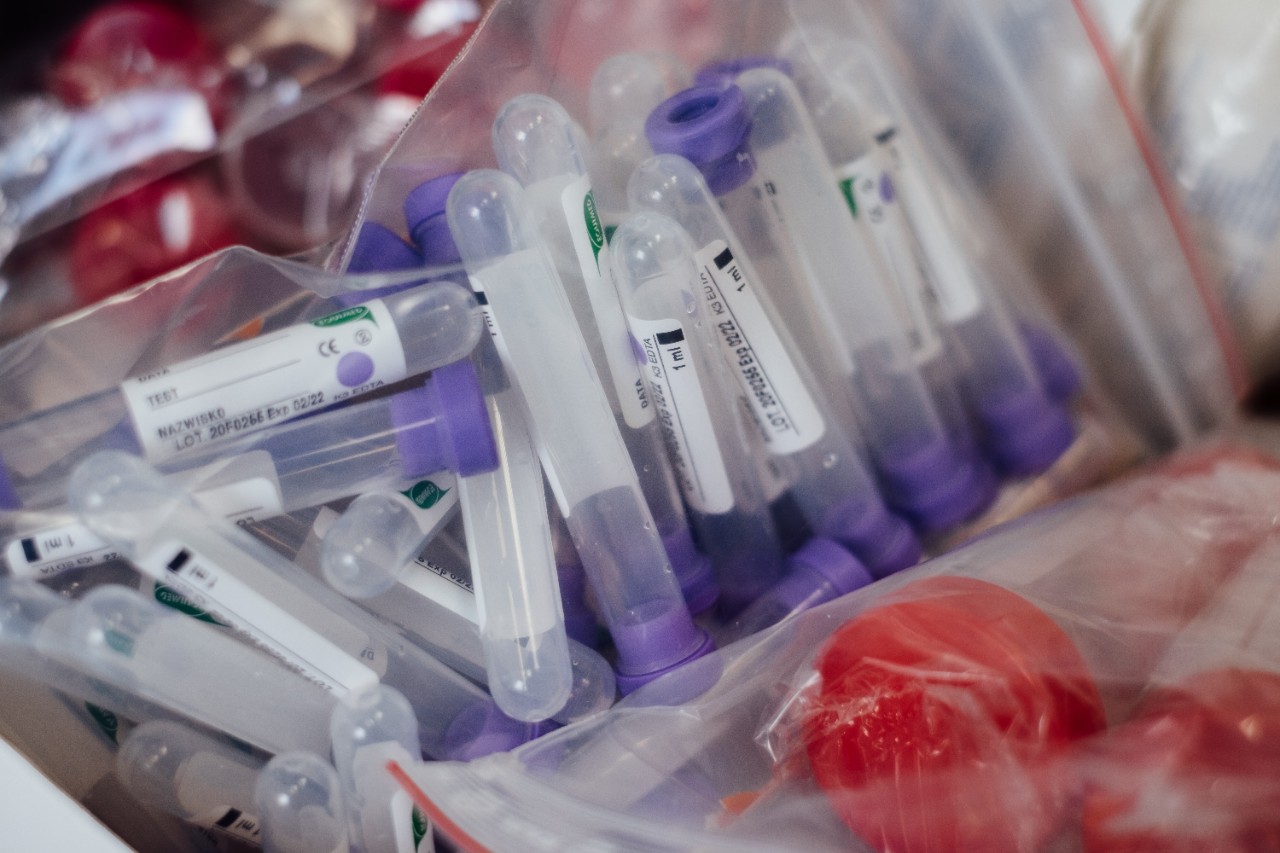
Featured image at top from freestocks on Unsplash.
Find the latest details related to coronavirus disease 2019 (covid-19) on the Centers for Disease Control and Prevention (CDC) website, and follow UC's latest information with regard to the virus.
Related Stories
Sugar overload killing hearts
November 10, 2025
Two in five people will be told they have diabetes during their lifetime. And people who have diabetes are twice as likely to develop heart disease. One of the deadliest dangers? Diabetic cardiomyopathy. But groundbreaking University of Cincinnati research hopes to stop and even reverse the damage before it’s too late.
App turns smartwatch into detector of structural heart disease
November 10, 2025

An app that uses an AI model to read a single-lead ECG from a smartwatch can detect structural heart disease, researchers reported at the 2025 Scientific Sessions of the American Heart Association. Although the technology requires further validation, researchers said it could help improve the identification of patients with heart failure, valvular conditions and left ventricular hypertrophy before they become symptomatic, which could improve the prognosis for people with these conditions.
Combination immunotherapy helps overcome melanoma treatment resistance
November 10, 2025

MSN highlighted research led by the University of Cincinnati Cancer Center's Trisha Wise-Draper showing a combination of immunotherapy medications can activate a robust immune response and help overcome treatment resistance in patients with refractory melanoma.