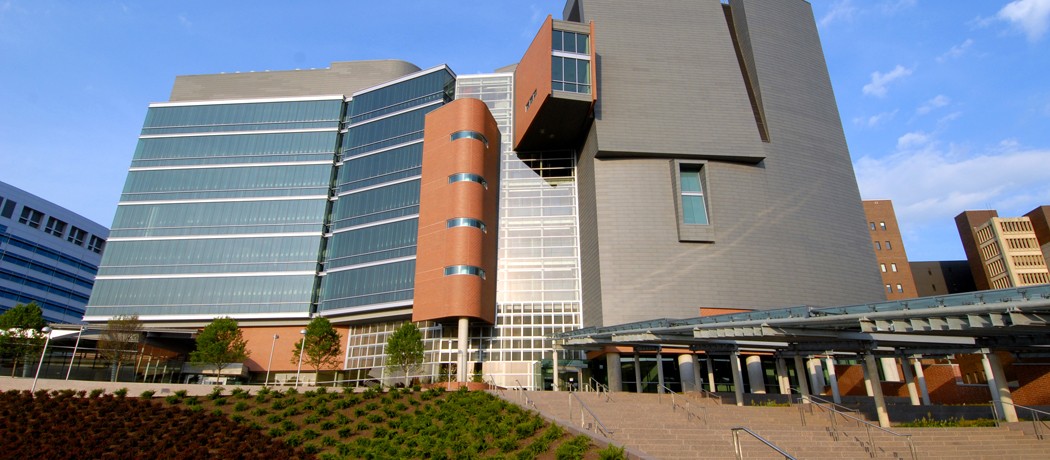
College of Medicine receives eight-year accreditation


The Liaison Committee on Medical Education (LCME) has granted the College of Medicine’s educational program leading to the MD degree an eight-year term of accreditation.
In a message today to faculty staff and students, Andrew Filak Jr., MD, senior vice president for health affairs and Christian R. Holmes Professor and dean, congratulated everyone for their efforts that went into the preparation for the October 2019 LCME survey visit. “This full, eight-year accreditation is due to your enduring commitment to our missions of education, research and patient care that is the foundation of our medical degree program. I especially want to thank Pamela Baker, PhD, associate dean for medical education and lead of the LCME self-study, the LCME Task Force Steering committee and everyone who served on our six subcommittees,” he said.
The LCME determined that the college was in compliance with all 12 standards, the highest possible mark. The college was directed to monitor five issues where more data are required to confirm that an implemented change is addressing the issue identified as part of the self-study process.
“This was a truly successful visit particularly in a climate where accreditation standards are increasingly more stringent,” Filak said.
The medical education program’s next full survey will take place during the 2027-2028 academic year.
Related Stories
Sugar overload killing hearts
November 10, 2025
Two in five people will be told they have diabetes during their lifetime. And people who have diabetes are twice as likely to develop heart disease. One of the deadliest dangers? Diabetic cardiomyopathy. But groundbreaking University of Cincinnati research hopes to stop and even reverse the damage before it’s too late.
App turns smartwatch into detector of structural heart disease
November 10, 2025

An app that uses an AI model to read a single-lead ECG from a smartwatch can detect structural heart disease, researchers reported at the 2025 Scientific Sessions of the American Heart Association. Although the technology requires further validation, researchers said it could help improve the identification of patients with heart failure, valvular conditions and left ventricular hypertrophy before they become symptomatic, which could improve the prognosis for people with these conditions.
Combination immunotherapy helps overcome melanoma treatment resistance
November 10, 2025

MSN highlighted research led by the University of Cincinnati Cancer Center's Trisha Wise-Draper showing a combination of immunotherapy medications can activate a robust immune response and help overcome treatment resistance in patients with refractory melanoma.