Forbes: App helps connect isolated seniors with their families
The app, HiLois, links senior citizens with family members during social distancing

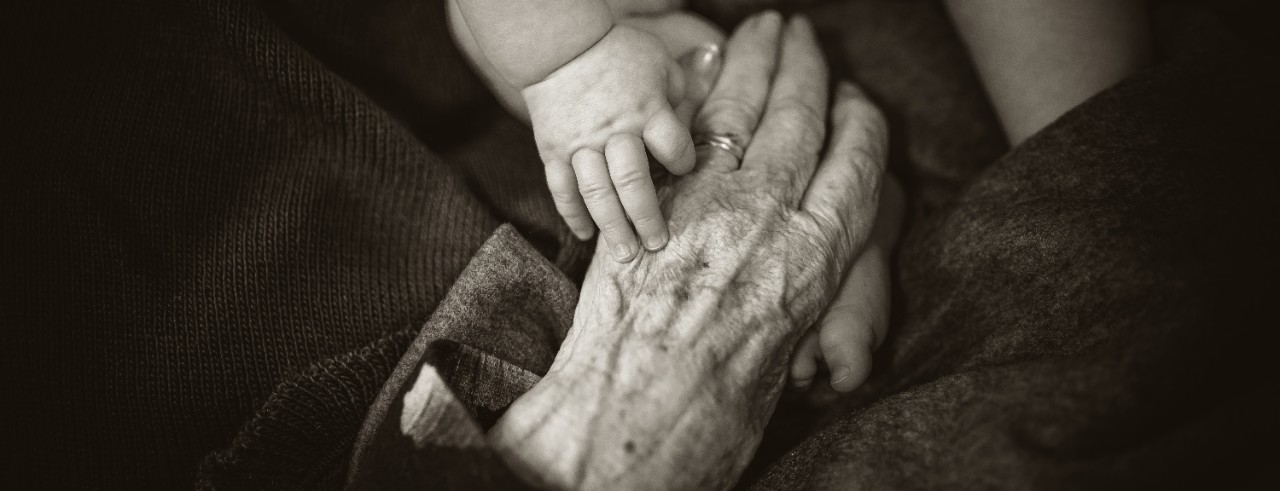
With the coronavirus pandemic, which has shuttered elder care facilities to visitors across the U.S. in the name of social distancing, a sudden spotlight has been given to services like HiLois, a private social network designed for seniors and their families.
Brett Harnett, HiLois founder and assistant professor in UC's Department of Biomedical Informatics, came up with the idea for the app shortly after his mother’s Alzheimer’s diagnosis in 2014, as a way to remotely share photos and messages with her while living hundreds of miles away.
Now, facilities are reaching out to find out how they, too, can utilize the tool and connect residents with families.
“These facilities, they’re playing tic-tac-toe with masking tape on the windows, holding up signs, chalkboards, whiteboards. This is their level of communication,” Harnett told Forbes. “They’re also bombarded by calls from families saying, ‘Does someone in there have an iPhone? I want to FaceTime with my mom.’ These organizations don’t have the resources to do that. This is what we’ve been hearing for years: that their resources are really thin.”
Featured photo courtesy of Rod Long/Unsplash.
Impact Lives Here
The University of Cincinnati is leading public urban universities into a new era of innovation and impact. Our faculty, staff and students are saving lives, changing outcomes and bending the future in our city's direction. Next Lives Here.
Read more #UCtheGood stories, or take a UC virtual visit and begin picturing yourself at an institution that inspires incredible stories.
Related Stories
Sugar overload killing hearts
November 10, 2025
Two in five people will be told they have diabetes during their lifetime. And people who have diabetes are twice as likely to develop heart disease. One of the deadliest dangers? Diabetic cardiomyopathy. But groundbreaking University of Cincinnati research hopes to stop and even reverse the damage before it’s too late.
App turns smartwatch into detector of structural heart disease
November 10, 2025

An app that uses an AI model to read a single-lead ECG from a smartwatch can detect structural heart disease, researchers reported at the 2025 Scientific Sessions of the American Heart Association. Although the technology requires further validation, researchers said it could help improve the identification of patients with heart failure, valvular conditions and left ventricular hypertrophy before they become symptomatic, which could improve the prognosis for people with these conditions.
Combination immunotherapy helps overcome melanoma treatment resistance
November 10, 2025

MSN highlighted research led by the University of Cincinnati Cancer Center's Trisha Wise-Draper showing a combination of immunotherapy medications can activate a robust immune response and help overcome treatment resistance in patients with refractory melanoma.