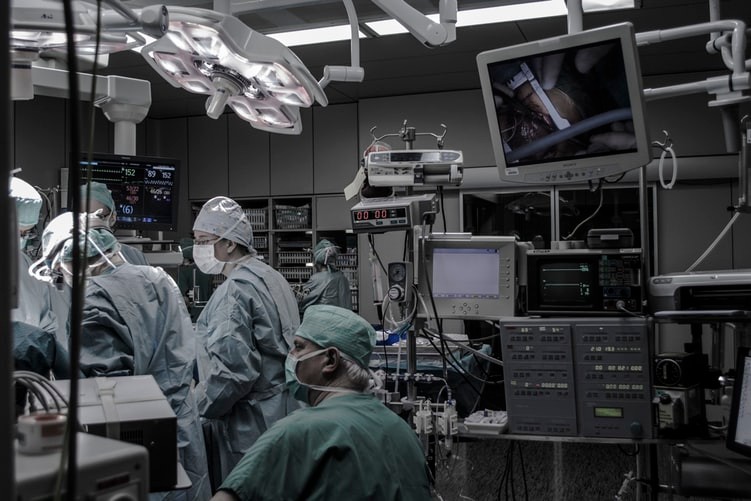
Cleveland.com: Ventilator shortage during coronavirus? 3-D printing could save lives
UC anesthesiologist discusses ventilators

Imagine printing a three-dimensional piece of plastic that could help save a coronavirus patient’s life. 3-D printing is one solution proposed to address an expected shortage of ventilators, machines that keep patients whose lungs are severely damaged alive. Experts are expecting a shortages of ventilators as the number of people impacted by the coronavirus pandemic grows in the U.S.
Ventilators work through a breathing tube inserted into a person’s windpipe. The machine inflates the lungs with air and then deflates the lungs, removing carbon dioxide. A medical professional uses a computer to control the amount of pressure placed on the lungs and the amount of oxygen.
Coronavirus patients are at risk of pneumonia and acute respiratory distress syndrome, which has a high mortality rate. Dr. Suzanne Bennett, an associate professor at the UC College of Medicine and an anesthesiologist at UC Health, discussed the workings of ventilators.
A traditional ventilator costs about $25,000 to $50,000. Bennett said some of the “bells and whistles" on a hospital-grade ventilator help medical professionals operate the machine effectively, and reduce the workload for respiratory therapists. With a shortage, respiratory therapists would be spread thin.
“I think all of us are concerned with the safety of that patient in that situation,” she said.
Related Stories
Sugar overload killing hearts
November 10, 2025
Two in five people will be told they have diabetes during their lifetime. And people who have diabetes are twice as likely to develop heart disease. One of the deadliest dangers? Diabetic cardiomyopathy. But groundbreaking University of Cincinnati research hopes to stop and even reverse the damage before it’s too late.
App turns smartwatch into detector of structural heart disease
November 10, 2025

An app that uses an AI model to read a single-lead ECG from a smartwatch can detect structural heart disease, researchers reported at the 2025 Scientific Sessions of the American Heart Association. Although the technology requires further validation, researchers said it could help improve the identification of patients with heart failure, valvular conditions and left ventricular hypertrophy before they become symptomatic, which could improve the prognosis for people with these conditions.
Combination immunotherapy helps overcome melanoma treatment resistance
November 10, 2025

MSN highlighted research led by the University of Cincinnati Cancer Center's Trisha Wise-Draper showing a combination of immunotherapy medications can activate a robust immune response and help overcome treatment resistance in patients with refractory melanoma.