Health.com: Frequent headaches and thyroid disease
A UC migraine expert comments on research that ties headache to hypothyroidism

Previous research has suggested a link between headaches and hypothyroidism, a common medical problem that can cause mood swings and weight gain, among other unpleasant symptoms. Now, one of the largest and longest studies to date provides the strongest evidence yet. University of Cincinnati researchers found that people with headache disorders were 21% more likely to be diagnosed with hypothyroidism when compared to those without.
The group included anyone who’d been diagnosed with migraines, cluster headaches, or tension headaches, or who reported taking headache-specific medicine.
Among migraine sufferers specifically, the increased risk jumped to 41%.
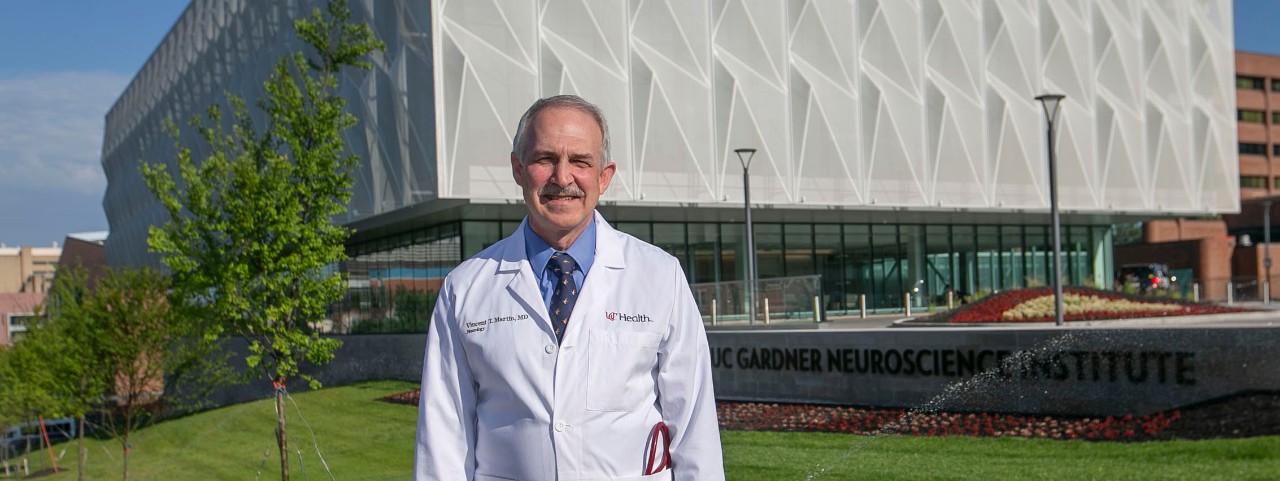
Dr. Vincent Martin, professor of medicine at UC, co-director of the Headache and Facial Pain Center at the UC Gardner Neuroscience Institute, a UC Health physician and lead on the study, provides comment.
Next Lives Here
The University of Cincinnati is classified as a Research 1 institution by the Carnegie Commission and is ranked in the National Science Foundation's Top-35 public research universities. UC's graduate students and faculty investigate problems and innovate solutions with real-world impact. Next Lives Here.
Related Stories
Sugar overload killing hearts
November 10, 2025
Two in five people will be told they have diabetes during their lifetime. And people who have diabetes are twice as likely to develop heart disease. One of the deadliest dangers? Diabetic cardiomyopathy. But groundbreaking University of Cincinnati research hopes to stop and even reverse the damage before it’s too late.
App turns smartwatch into detector of structural heart disease
November 10, 2025

An app that uses an AI model to read a single-lead ECG from a smartwatch can detect structural heart disease, researchers reported at the 2025 Scientific Sessions of the American Heart Association. Although the technology requires further validation, researchers said it could help improve the identification of patients with heart failure, valvular conditions and left ventricular hypertrophy before they become symptomatic, which could improve the prognosis for people with these conditions.
Combination immunotherapy helps overcome melanoma treatment resistance
November 10, 2025

MSN highlighted research led by the University of Cincinnati Cancer Center's Trisha Wise-Draper showing a combination of immunotherapy medications can activate a robust immune response and help overcome treatment resistance in patients with refractory melanoma.