Singlecare: Can hand sanitizers or hand-washing kill the flu?
Dr. Carl Fichtenbaum says it's what you do with your hands when cleaning them that's important

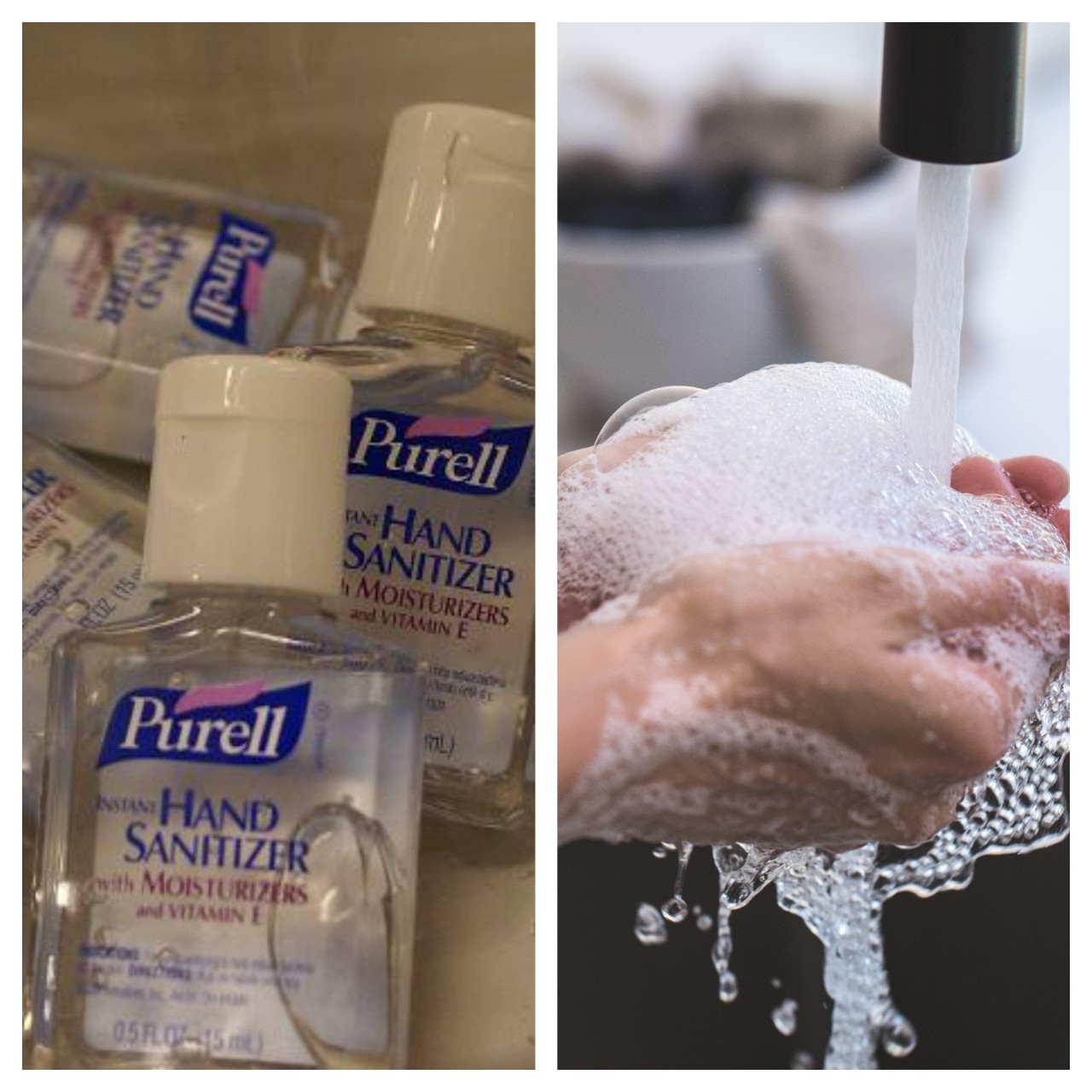
New research examines what is more effective against the flu: hand sanitizer or hand washing. The study found that when the flu virus is trapped in wet mucus, it can remain infectious for up to four minutes after exposure to hand sanitizer—in other words, much longer than you might have guessed. According to the study, hand-washing—even without soap and even when the infected mucus was wet—was, indeed, very effective in removing the flu virus. It eliminated it in just 30 seconds.

Dr. Carl Fichtenbaum of the Division of Infectious Diseases in the UC College of Medicine, in an interview with Singlecare, said "the fight wasn't fair." He says researchers didn’t study how hand sanitizer works when it’s rubbed into the skin, only when it was dabbed onto fingers, adding "hand rubbing is the critical part of all this."
Related Stories
Sugar overload killing hearts
November 10, 2025
Two in five people will be told they have diabetes during their lifetime. And people who have diabetes are twice as likely to develop heart disease. One of the deadliest dangers? Diabetic cardiomyopathy. But groundbreaking University of Cincinnati research hopes to stop and even reverse the damage before it’s too late.
App turns smartwatch into detector of structural heart disease
November 10, 2025

An app that uses an AI model to read a single-lead ECG from a smartwatch can detect structural heart disease, researchers reported at the 2025 Scientific Sessions of the American Heart Association. Although the technology requires further validation, researchers said it could help improve the identification of patients with heart failure, valvular conditions and left ventricular hypertrophy before they become symptomatic, which could improve the prognosis for people with these conditions.
Combination immunotherapy helps overcome melanoma treatment resistance
November 10, 2025

MSN highlighted research led by the University of Cincinnati Cancer Center's Trisha Wise-Draper showing a combination of immunotherapy medications can activate a robust immune response and help overcome treatment resistance in patients with refractory melanoma.