UC study finds racial disparities in pregnant women on dialysis
Research finds among patients with end-stage kidney disease, Native American, black and Hispanic women have a higher likelihood of pregnancy than white women

Pregnancy is not common in women on dialysis due to impaired fertility. New research from the University of Cincinnati finds that among patients with certain kidney disease there is a racial disparity as to who is more likely to become pregnant. Native American, Hispanic and black women have a higher likelihood of pregnancy than white women.
The study, published in the Journal of the American Society of Nephrology, finds that compared to white women on dialysis, Native American women were 77% more likely, Hispanic women were 51% more likely and black women were 33% more likely to become pregnant.
“Childbearing is an integral part in women’s life,” says Silvi Shah, assistant professor in the Division of Nephrology, Kidney CARE (Clinical Advancement, Research and Education) Program at UC and lead author of the study. “However, end-stage kidney disease or ESKD disrupts this critical element due to impaired fertility, making pregnancy uncommon in women on dialysis. Those who become pregnant face the risk of adverse maternal and fetal outcomes. Since data is so scarce for pregnancy in women undergoing dialysis, we examined the rates, racial differences and factors associated with pregnancy in this high-risk population.”
Shah says the study is unique in that it addresses a comprehensive racial group of patients from 2005-13 from a national registry to better understand the incidence of pregnancy and factors associated with it among dialysis patients. The study further took into account patients with complete Medicaid coverage, thus avoiding the potential shortfalls of registries dependent on voluntary reporting or patient recall. This shows for the first time that pregnancy rates in women with end-stage kidney disease on dialysis are higher than in previous reports.
“This is telling us that there are additional factors, which could be biological, contributing to these racial differences. While we can speculate that health literacy has an important role, the real reasons remain unknown,” says Shah. “However, this information will help patients and health care providers in shared decision-making regarding management of their reproductive health.”
Assisting in the research were Annette Christianson and Karthikeyan Meganathan, research associates in the UC Department of Biomedical Informatics; Anthony Leonard, research associate professor in the UC Department of Family and Community Medicine; Daniel Schauer, of the UC Department of Internal Medicine and Charuhas Thakar, director, Division of Nephrology Kidney CARE Program. Shah is supported by the intramural funds from the UC Division of Nephrology.
This research is an example of the innovation agenda as part of the university's strategic direction Next Lives Here.
The study evaluated 47,555 women of childbearing age who were undergoing dialysis between Jan. 1, 2005, and Dec. 31, 2013, using data from the United States Renal Data System. Overall, 2,352 pregnancies were identified. The mean age of the study population at transplant was approximately 33 years. The rate of pregnancy in dialysis patients was 17.8 per thousand person-years (PTPY) and highest rate was in women aged 20–24 (40.9 PTPY). Pregnancy rates were highest in Native American women followed by Hispanics, blacks, Asians and whites. Patients with diabetes as the cause of ESKD had the lowest pregnancy rates and pregnancy was more likely in women with ESKD due to malignancy, glomerulonephritis and hypertension.
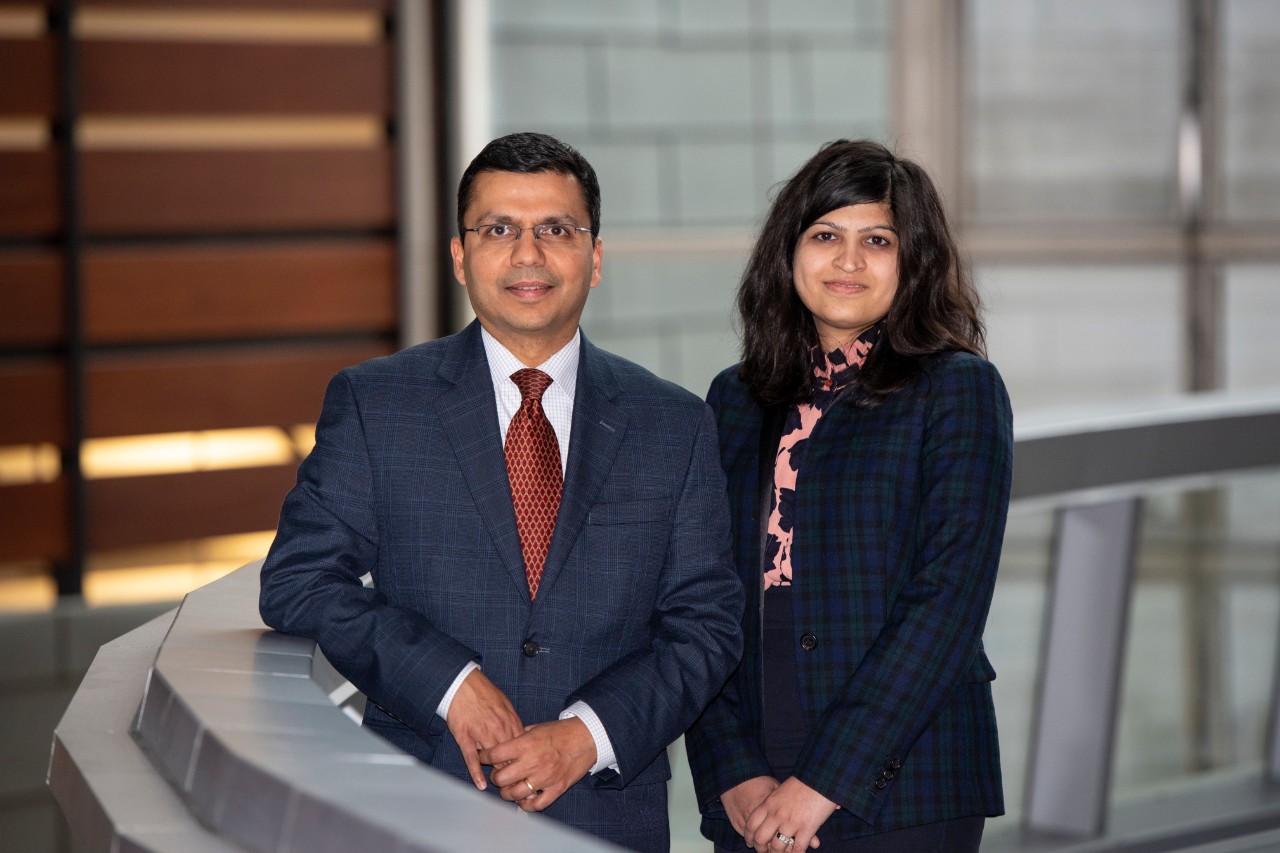
Featured image at top: Dr. Charuhas Thakar and Dr. Silvi Shah in the CARE/Crawley Building. Photo/Colleen Kelley/UC Creative Services
Related Stories
Sugar overload killing hearts
November 10, 2025
Two in five people will be told they have diabetes during their lifetime. And people who have diabetes are twice as likely to develop heart disease. One of the deadliest dangers? Diabetic cardiomyopathy. But groundbreaking University of Cincinnati research hopes to stop and even reverse the damage before it’s too late.
App turns smartwatch into detector of structural heart disease
November 10, 2025

An app that uses an AI model to read a single-lead ECG from a smartwatch can detect structural heart disease, researchers reported at the 2025 Scientific Sessions of the American Heart Association. Although the technology requires further validation, researchers said it could help improve the identification of patients with heart failure, valvular conditions and left ventricular hypertrophy before they become symptomatic, which could improve the prognosis for people with these conditions.
Combination immunotherapy helps overcome melanoma treatment resistance
November 10, 2025

MSN highlighted research led by the University of Cincinnati Cancer Center's Trisha Wise-Draper showing a combination of immunotherapy medications can activate a robust immune response and help overcome treatment resistance in patients with refractory melanoma.