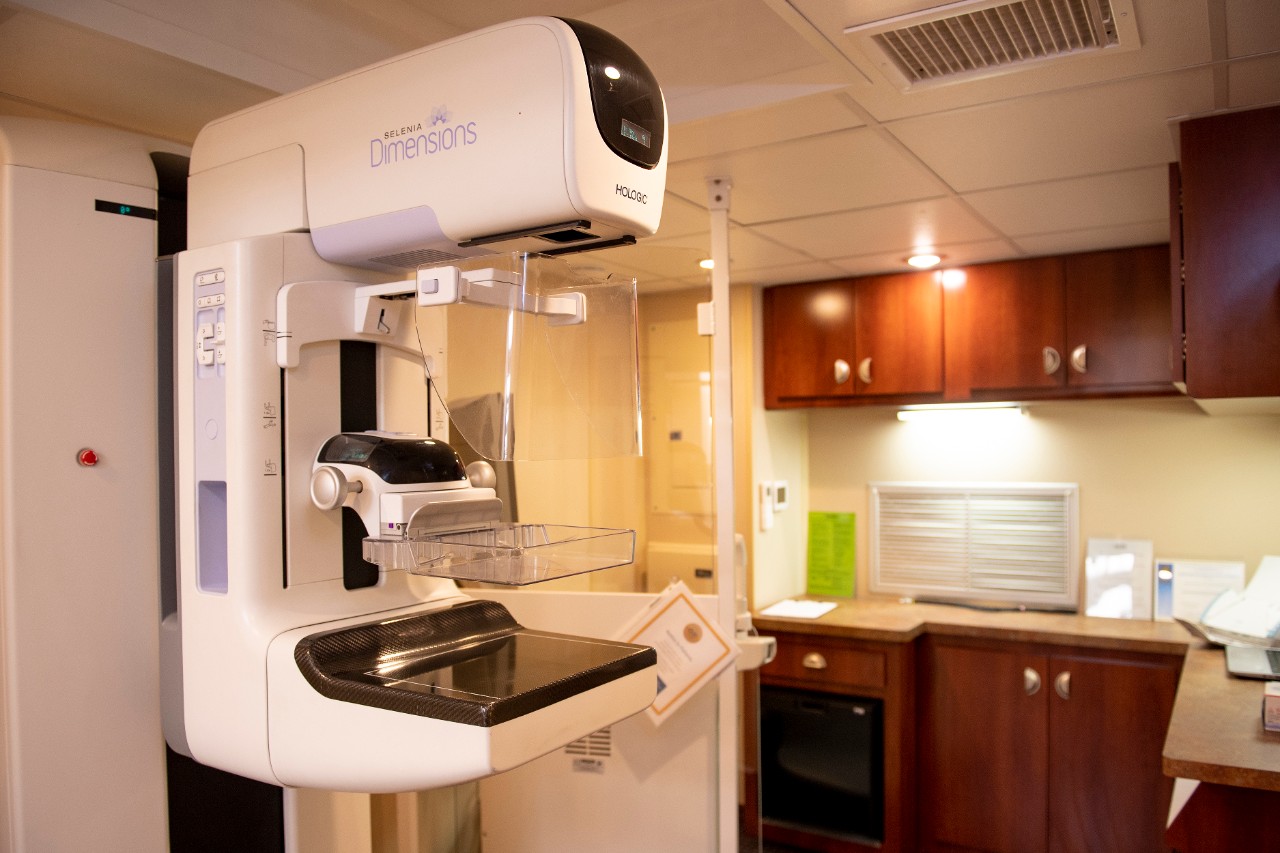
UC clinical trial compares effectiveness of 2D vs. 3D mammograms

Radiologists at the University of Cincinnati are offering a clinical trial comparing the two types of digital mammography available for breast cancer screening.
The randomized study, led locally by Lawrence Sobel, MD, assistant professor in the Department of Radiology at the UC College of Medicine and director of breast imaging for UC Health, will compare the use of 2D images to 3D images, known as tomosynthesis to determine that 3D tomosynthesis is more effective in the diagnosis of breast cancers.
“We are enrolling healthy women, ages 45 to 74, who are already planning to get routine mammograms,” Sobel says. “By taking part in the trial, the 165,000 planned participants nationally will provide critical information that will help researchers learn how to most effectively screen women for breast cancer and help women make informed decisions about screening tests in the future. This is the first, randomized trial to compare these two types of mammography; this study aims to confirm that 3D technology reduces a woman’s risk of developing an advanced cancer in comparison to 2D.”
Researchers are collecting data on the results of every mammogram, whether the imaging shows no sign of cancer, suspicious areas or a breast cancer, and medical follow-up, such as additional imaging or biopsies, is also being reported. Researchers involved in the study intend to follow all participants for breast cancer status, treatment and outcomes until the end of the study (at least until 2025). Most women enrolled in the trial undergo annual screening, but postmenopausal women with no high-risk factors will be screened every two years.
Sobel adds that researchers are also analyzing tissue collected from women who have biopsies during the trial, which will help in learning more about the biology of breast cancers detected through screening.
“In addition, the trial is building a biorepository for future research on genetic markers for breast cancer by asking all participants to voluntarily submit blood samples and swabs of cells from inside the mouth,” he says. “This data could, in the future, help women and their doctors decide the best ways to screen for breast cancer by evaluating their individual risk factors for developing the disease.
“We hope this trial will provide new insights into the way we screen for breast cancer to provide better outcomes for patients and prevent the disease in its earliest stages.”
*Photo of 3D mammography machine above/Credit: Colleen Kelley
Eligible women who are patients at UC Health and are due for a mammogram will be contacted shortly before their scheduled screening study to discuss possible enrollment. For more information, call 513-584-3135.
Related Stories
Sugar overload killing hearts
November 10, 2025
Two in five people will be told they have diabetes during their lifetime. And people who have diabetes are twice as likely to develop heart disease. One of the deadliest dangers? Diabetic cardiomyopathy. But groundbreaking University of Cincinnati research hopes to stop and even reverse the damage before it’s too late.
App turns smartwatch into detector of structural heart disease
November 10, 2025

An app that uses an AI model to read a single-lead ECG from a smartwatch can detect structural heart disease, researchers reported at the 2025 Scientific Sessions of the American Heart Association. Although the technology requires further validation, researchers said it could help improve the identification of patients with heart failure, valvular conditions and left ventricular hypertrophy before they become symptomatic, which could improve the prognosis for people with these conditions.
Combination immunotherapy helps overcome melanoma treatment resistance
November 10, 2025

MSN highlighted research led by the University of Cincinnati Cancer Center's Trisha Wise-Draper showing a combination of immunotherapy medications can activate a robust immune response and help overcome treatment resistance in patients with refractory melanoma.