Nose-hair inspired air filters clean better
UC chemical engineering project inspired by biomimicry

Chemical & Engineering News highlighted new air filters inspired by nature that were co-developed by University of Cincinnati chemical engineers.
UC College of Engineering and Applied Science Associate Professor Jonathan Pham and doctoral student Sazzadul Rahat and their research partners developed air filters that work much like your nose to trap particles.
Engineers covered the filters with thin silicone oil coatings that make the surface sticky through capillary force, the attractions between molecules at the surface of a liquid and solid. This force is why dry sand sticks to wet feet much better than dry feet.
“The new air filter is a good example of biomimicry,” Pham said. “Your nose is kind of like an air filtration system. You breathe in a lot of pollen, dust and particulates. Your nose captures a lot of it before it gets into your lungs.”
Researchers put filters with coatings to the test in an indoor baseball stadium, an office building and an exhibition hall and found that they lasted more than twice as long as traditional filters. They also captured significantly more particulates. While strong winds can defeat traditional air filters when particles get sucked back out by a wind gust, the coated filters work when air blows in either direction.
The study was published in the journal Nature. It was led by Professor Sanghyuk Wooh and student Junyong Park from Chung-Ang University in South Korea. The student visited UC for several months to work on collaborative research with Pham’s group.
Pham has collaborated with some of the paper’s co-authors on other topics since he was a postdoctoral fellow. Now he and his students are continuing to collaborate.
In his lab, Pham and his students work on soft materials and interfaces, relying on polymer science, soft matter and other sciences to craft solutions. Students can study the properties of the materials using an atomic force microscope and a confocal microscope that provide high resolution, force measurement and direct visualization simultaneously, he said.
“A big thing we care about in our group is adhesion and interfaces. The takeaway here is these small particles need to adhere to the filters really well,” Pham said. “And our main contribution is understanding that capillary adhesion.”
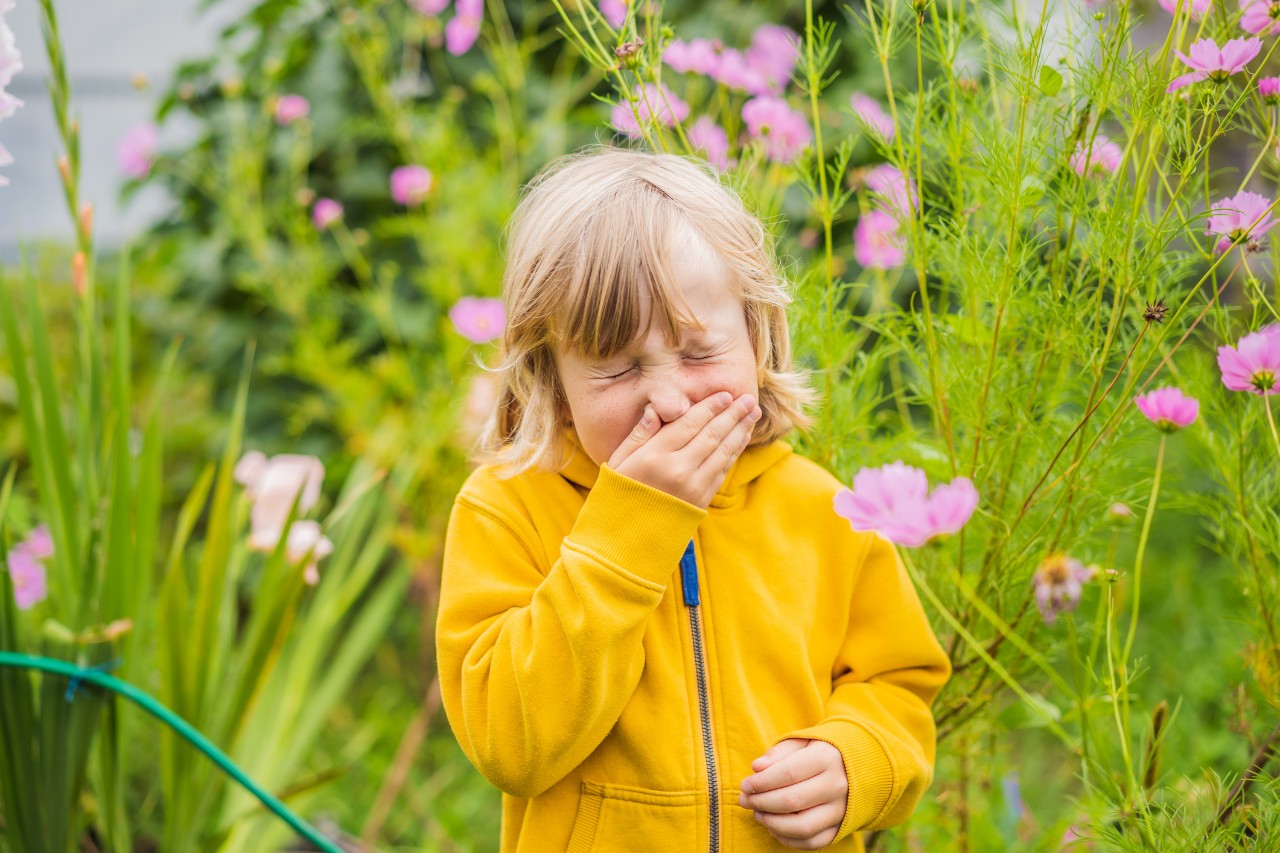
Featured image at top: UC engineers developed better air filters with biomimicry. Photo/galitskaya/iStockPhoto
Next Lives Here
The University of Cincinnati is leading public urban universities into a new era of innovation and impact. Our faculty, staff and students are saving lives, changing outcomes and bending the future in our city's direction. Next Lives Here.
Related Stories
Sugar overload killing hearts
November 10, 2025
Two in five people will be told they have diabetes during their lifetime. And people who have diabetes are twice as likely to develop heart disease. One of the deadliest dangers? Diabetic cardiomyopathy. But groundbreaking University of Cincinnati research hopes to stop and even reverse the damage before it’s too late.
Is going nuclear the solution to Ohio’s energy costs?
November 10, 2025

The Ohio Capital Journal recently reported that as energy prices continue to climb, economists are weighing the benefits of going nuclear to curb costs. The publication dove into a Scioto Analysis survey of 18 economists to weigh the pros and cons of nuclear energy. One economist featured was Iryna Topolyan, PhD, professor of economics at the Carl H. Lindner College of Business.
App turns smartwatch into detector of structural heart disease
November 10, 2025

An app that uses an AI model to read a single-lead ECG from a smartwatch can detect structural heart disease, researchers reported at the 2025 Scientific Sessions of the American Heart Association. Although the technology requires further validation, researchers said it could help improve the identification of patients with heart failure, valvular conditions and left ventricular hypertrophy before they become symptomatic, which could improve the prognosis for people with these conditions.