How color cosmetics merge form with function
UC expert featured in Cosmetics & Toiletries article

The University of Cincinnati's Kelly Dobos was a featured expert in a Cosmetics & Toiletries article explaining trends and innovations in color cosmetics.
Dobos, a cosmetic chemist and adjunct instructor in UC's Cosmetic Science Program in the James L. Winkle College of Pharmacy, said color cosmetics have undergone significant changes to meet consumer demands over the past few years.
"Brands are creating very innovative hybrid products," she said. "Many foundation products today now incorporate skin care benefits, but there’s a lot of room for innovation in eye and lip categories.
"Biotech continues to revolutionize the way cosmetic ingredients can be produced," Dobos continued. "Color additives for cosmetics are regulated in every region around the world and those regulations can vary considerably; and a big challenge for beauty has been finding a globally acceptable true red pigment that can be used in the eye area."
Read the Cosmetics & Toiletries article.
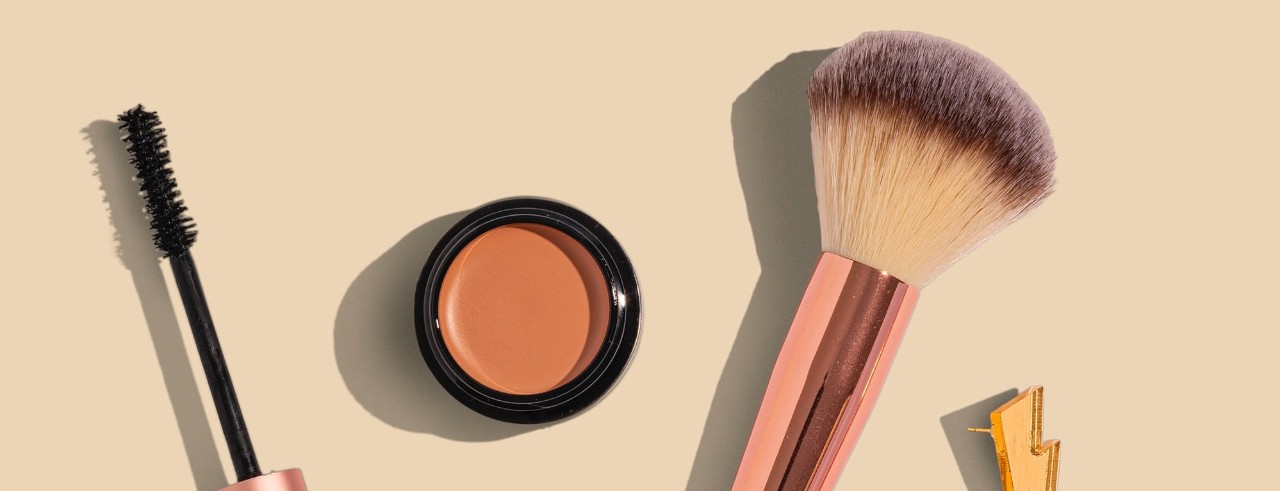
Featured photo at top of cosmetics products. Photo/Shamblen Studios/Unsplash.
Related Stories
Sugar overload killing hearts
November 10, 2025
Two in five people will be told they have diabetes during their lifetime. And people who have diabetes are twice as likely to develop heart disease. One of the deadliest dangers? Diabetic cardiomyopathy. But groundbreaking University of Cincinnati research hopes to stop and even reverse the damage before it’s too late.
Is going nuclear the solution to Ohio’s energy costs?
November 10, 2025

The Ohio Capital Journal recently reported that as energy prices continue to climb, economists are weighing the benefits of going nuclear to curb costs. The publication dove into a Scioto Analysis survey of 18 economists to weigh the pros and cons of nuclear energy. One economist featured was Iryna Topolyan, PhD, professor of economics at the Carl H. Lindner College of Business.
App turns smartwatch into detector of structural heart disease
November 10, 2025

An app that uses an AI model to read a single-lead ECG from a smartwatch can detect structural heart disease, researchers reported at the 2025 Scientific Sessions of the American Heart Association. Although the technology requires further validation, researchers said it could help improve the identification of patients with heart failure, valvular conditions and left ventricular hypertrophy before they become symptomatic, which could improve the prognosis for people with these conditions.