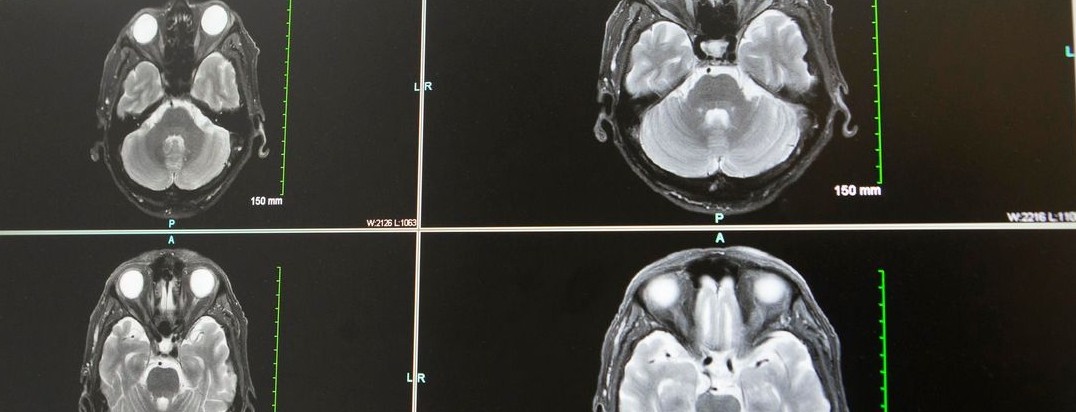
Understanding the connection of heart health and strokes
UC expert featured in Fox 19 segment

The University of Cincinnati's Paul Wechsler joined Fox 19 to discuss the connection between heart health and brain health.
"The heart and brain really are connected very closely, and the key thing to know is that when the heart isn’t healthy, sometimes the brain isn't healthy," said Wechsler, MD, vascular neurology fellow at the UC College of Medicine and a UC Gardner Neuroscience Institute physician. "So it’s really important that if you keep your heart healthy you can also keep your brain healthy as well."
For example, Wechsler said if the heart isn't pumping enough blood, blood clots can form in the heart that then move up to the brain and cause a stroke. He recommended exercising at least 2-3 hours per week and focusing on healthy foods including fruits and vegetables in your diet.
"Particularly if you do these things over a long period of time, you can really reduce your risk of having a heart attack and stroke significantly."
Featured photo at top of brain scans. Photo courtesy of Joseph Broderick.
Remember how to identify a stroke
Because of the quick onset of stroke, it is important to know the FAST mnemonic device that details the most common signs of stroke and how to respond:
- F: Facial drooping
- A: Arm or leg drop, or weakness in the arm or leg
- S: Speech issues, such as slurred speech or an inability to get your words out
- T: Time is of the essence; call 911 immediately
Related Stories
Sugar overload killing hearts
November 10, 2025
Two in five people will be told they have diabetes during their lifetime. And people who have diabetes are twice as likely to develop heart disease. One of the deadliest dangers? Diabetic cardiomyopathy. But groundbreaking University of Cincinnati research hopes to stop and even reverse the damage before it’s too late.
Is going nuclear the solution to Ohio’s energy costs?
November 10, 2025

The Ohio Capital Journal recently reported that as energy prices continue to climb, economists are weighing the benefits of going nuclear to curb costs. The publication dove into a Scioto Analysis survey of 18 economists to weigh the pros and cons of nuclear energy. One economist featured was Iryna Topolyan, PhD, professor of economics at the Carl H. Lindner College of Business.
App turns smartwatch into detector of structural heart disease
November 10, 2025

An app that uses an AI model to read a single-lead ECG from a smartwatch can detect structural heart disease, researchers reported at the 2025 Scientific Sessions of the American Heart Association. Although the technology requires further validation, researchers said it could help improve the identification of patients with heart failure, valvular conditions and left ventricular hypertrophy before they become symptomatic, which could improve the prognosis for people with these conditions.