AHA announces new initiative for cardiovascular kidney metabolic syndrome
UC expert comments on kidney care strategy, impact to MedCentral

The University of Cincinnati's Prakash Gudsoorkar, MD, spoke with MedCentral about the American Heart Association's 4-year initiative launched in July to define clinical practice guidelines for cardiovascular kidney metabolic syndrome. Cardiovascular kidney metabolic (CKM) syndrome was first defined in an October 2023 presidential advisory and scientific statement as a health disorder due to connections among heart disease, kidney disease, diabetes and obesity leading to poor health outcomes.
"AHA’s 4-year Cardiovascular Kidney Metabolic Health (CKMH) initiative is a significant step forward in addressing the complex interplay between cardiovascular, kidney, and metabolic diseases, particularly given the high prevalence of these conditions and the existing gaps in clinical care," said Gudsoorkar, assistant professor and medical director of Onconephrology Service in the Division of Nephrology in UC’s College of Medicine and a UC Health nephrologist.
"Since CKM syndrome was defined last October (2023), my approach to patient care has become more integrative, focusing on holistic, comprehensive screening and multidisciplinary management to address these interconnected conditions," he continued.
Gudsoorkar said defining CKM syndrome as distinct is essential to provide a more integrated approach and identify patients who might otherwise fall through the cracks of siloed health care systems.
"The CKM syndrome framework can fill significant gaps in current care by promoting earlier detection, more coordinated and comprehensive management strategies, and tailored treatment guidelines that consider the interdependencies of these conditions, ultimately improving patient outcomes and reducing the burden of disease progression," he said.
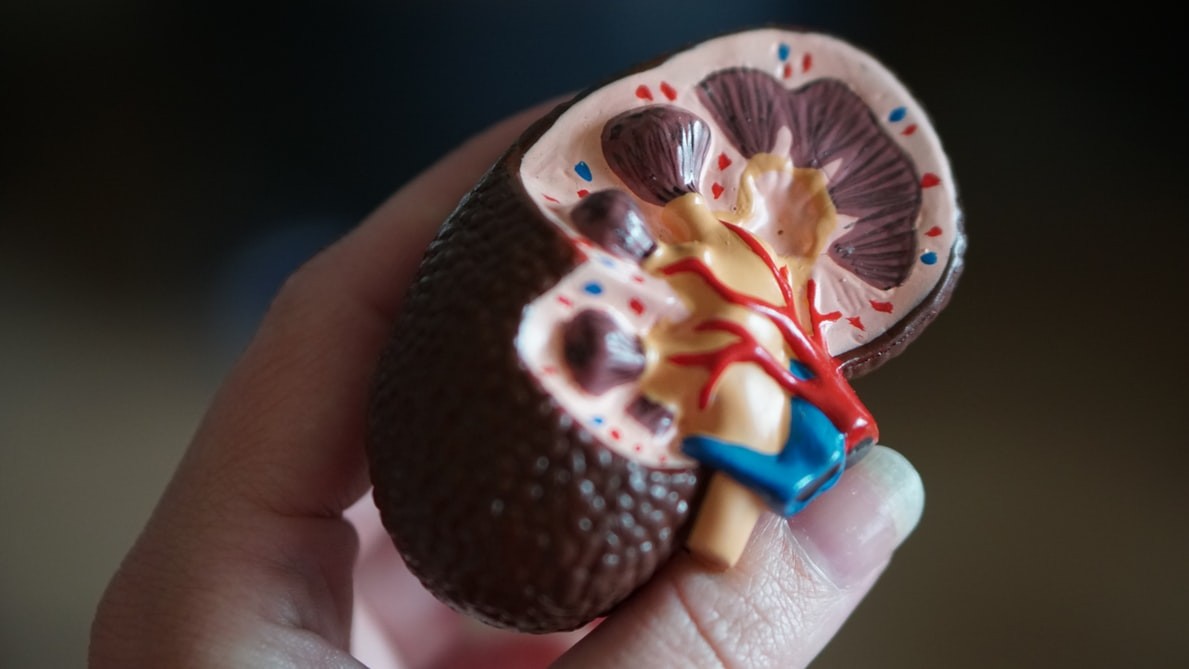
Featured photo at top of a model of a kidney. Photo/Robina Weermeijer/Unsplash.
Related Stories
Sugar overload killing hearts
November 10, 2025
Two in five people will be told they have diabetes during their lifetime. And people who have diabetes are twice as likely to develop heart disease. One of the deadliest dangers? Diabetic cardiomyopathy. But groundbreaking University of Cincinnati research hopes to stop and even reverse the damage before it’s too late.
Is going nuclear the solution to Ohio’s energy costs?
November 10, 2025

The Ohio Capital Journal recently reported that as energy prices continue to climb, economists are weighing the benefits of going nuclear to curb costs. The publication dove into a Scioto Analysis survey of 18 economists to weigh the pros and cons of nuclear energy. One economist featured was Iryna Topolyan, PhD, professor of economics at the Carl H. Lindner College of Business.
App turns smartwatch into detector of structural heart disease
November 10, 2025

An app that uses an AI model to read a single-lead ECG from a smartwatch can detect structural heart disease, researchers reported at the 2025 Scientific Sessions of the American Heart Association. Although the technology requires further validation, researchers said it could help improve the identification of patients with heart failure, valvular conditions and left ventricular hypertrophy before they become symptomatic, which could improve the prognosis for people with these conditions.