Civil engineering professor honored with Titan of Industry award
Concrete institute celebrates Richard Miller for 36 years of industry service

Richard Miller, University of Cincinnati College of Engineering and Applied Science professor, was recently celebrated with the Titan of the Industry award by the Prestressed/Precast Concrete Institute, or PCI, a technical institute and industry trade association.
Awarded to up to 10 people every decade, the award commemorates exceptional contributors in the precast concrete industry who have demonstrated outstanding leadership, service and industrial advancement.

UC Professor Richard Miller was named a 2024 PCI Titan of Industry.
“I am both honored and humbled to be named a PCI Titan of the Industry,” Miller said. “People like me get the awards only because of the help and support of others. From early on, PCI members have provided me with great research and educational support. PCI named me a Titan for my contributions to PCI, but I have gotten just as much, if not more, from PCI than I have put in.”
Miller has devoted his career to making concrete structures, specifically bridges, safe for civilians. His work has influenced changes in the American Association of State Highway and Transportation Officials bridge design and bridge construction specifications and the Ohio Department of Transportation specifications, all of which cover the design, evaluation and rehabilitation of highway bridges.
Alongside teaching and conducting research, Miller has had dozens of publications, peer-reviewed articles, lectures, and presentations. During his 36 years at UC, Miller has garnered many accolades for teaching, research, and service, including CEAS Distinguished Researcher, CEAS Master Educator, a UC Faculty Senate Award for Exemplary Contributions in Service, and a UC Office of Research Core Values Partnership Award.
Currently serving as head of the Department of Civil and Architectural Engineering and Construction Management, Miller previously served as interim vice provost for academic affairs and chair of the Faculty Senate, in addition to serving on 15 university-level committees and numerous department- and college-level committees. With PCI, Miller has had tenures on the board of directors and as a chairman for PCI’s Research and Development Council and Technical Activities Council. He was awarded the PCI Distinguished Educator award in 2003 and was named a PCI Fellow in 2004.
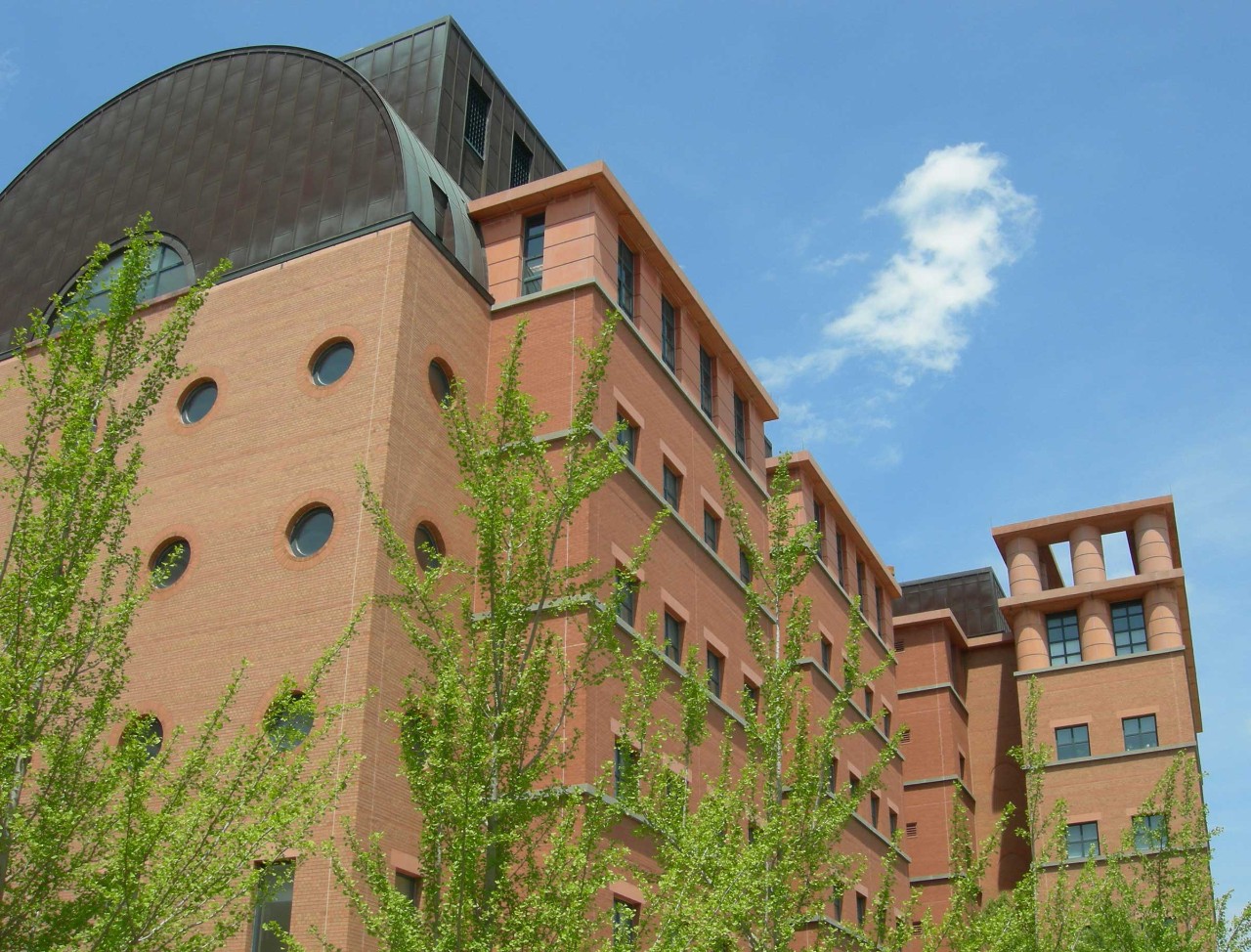
Featured image at top: UC Professor Richard Miller was named Titan of the Industry by the Prestressed/Precast Concrete Institute. Photo/Andrew Higley/UC Marketing + Brand
Related Stories
Sugar overload killing hearts
November 10, 2025
Two in five people will be told they have diabetes during their lifetime. And people who have diabetes are twice as likely to develop heart disease. One of the deadliest dangers? Diabetic cardiomyopathy. But groundbreaking University of Cincinnati research hopes to stop and even reverse the damage before it’s too late.
Is going nuclear the solution to Ohio’s energy costs?
November 10, 2025

The Ohio Capital Journal recently reported that as energy prices continue to climb, economists are weighing the benefits of going nuclear to curb costs. The publication dove into a Scioto Analysis survey of 18 economists to weigh the pros and cons of nuclear energy. One economist featured was Iryna Topolyan, PhD, professor of economics at the Carl H. Lindner College of Business.
App turns smartwatch into detector of structural heart disease
November 10, 2025

An app that uses an AI model to read a single-lead ECG from a smartwatch can detect structural heart disease, researchers reported at the 2025 Scientific Sessions of the American Heart Association. Although the technology requires further validation, researchers said it could help improve the identification of patients with heart failure, valvular conditions and left ventricular hypertrophy before they become symptomatic, which could improve the prognosis for people with these conditions.