
Alumnus makes $10 million bequest to the University of Cincinnati
Alumnus makes $10 million bequest to the University of Cincinnati
Patrick and Malle Portway support Center for Cyber Strategy and Policy

A $10 million gift from the estate of Patrick, BA ’63, and Malle Portway will advance the work of the Center for Cyber Strategy and Policy (CCSP) at the University of Cincinnati and provide programs and opportunities for its students. The center is part of the School of Public and International Affairs (SPIA) in the College of Arts and Sciences.
The CCSP, led by Richard Harknett, PhD, chair of CCSP, professor and director of SPIA, has been recognized for its work on national and defense cyber strategies. The center focuses on the approach of cyber persistence in securing cyberspace from foreign adversaries, criminal activity, and misuse that can harm our economy, political institutions, and society.
In addition to its research-based policy influence, the CCSP collaborates with and supports the Ohio Cyber Range Institute, a state-funded platform hosted at UC. Its mission is to advance cybersecurity education, workforce and economic development throughout Ohio.
The generosity of the Portways will provide funds that advance cyber security knowledge and practice through the following unique programs:
- Students will work with CCSP and international researchers through the Portway Cyber Strategy Student Research Fellows program. Fellows will travel to the NATO Cooperative Cyber Defense Centre of Excellence in Tallinn, Estonia.
- Industry and government experts will visit campus and share cyber security problem-solving with UC students and faculty.
- A motion graphic cyber awareness series will provide education to the general population.
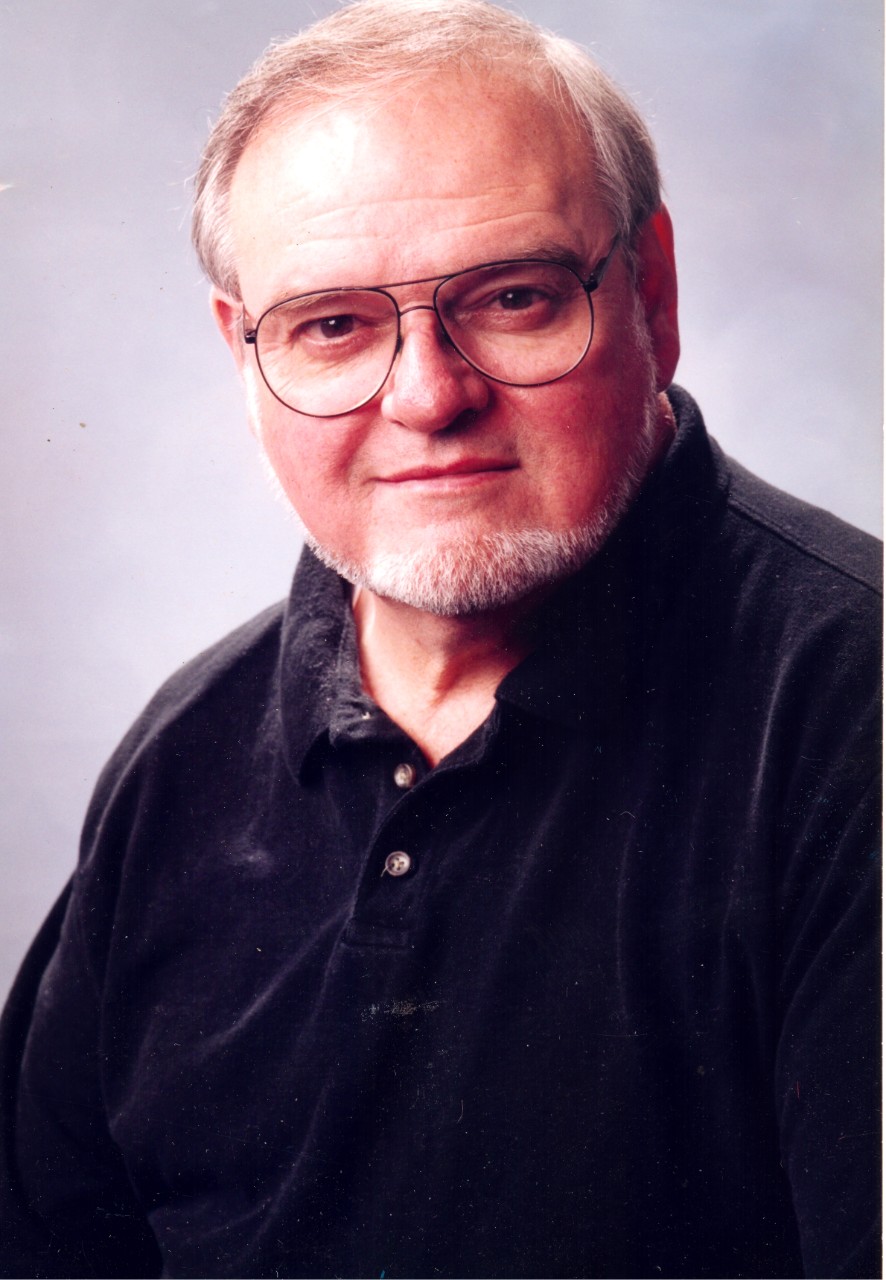
Patrick Portway, BA '63. He and Malle Portway are advancing the work of the Center for Cyber Strategy and Policy.
“Patrick and Malle are positioning our students and faculty to tackle cyber insecurity in new, innovative ways,” said Harknett. “I am humbled and grateful for their gift, which will make a tremendous impact and support our efforts to advance cyber security here and around the world.”
The center’s work connects to Patrick’s career and Malle’s heritage; her family escaped Estonia during World War II.
A UC Army Reserve Officer Training Corps member, Patrick worked in Army Intelligence after he graduated from UC, serving in the 116th Counterintelligence Corps Group, in Washington, D.C. Notably, Patrick was part of the security detail for President Lyndon Johnson’s inauguration. He became a management intern at the General Service Administration, in automated data and telecommunications administration after active duty. When Patrick left government service he worked as manager of strategic marketing at Xerox and was a congressional liaison for Boeing.
Patrick and Malle are positioning our students and faculty to tackle cyber insecurity in new, innovative ways. I am humbled and grateful for their gift, which will make a tremendous impact and support our efforts to advance cyber security here and around the world.
Richard Harknett, PhD chair of CCSP, professor and director of SPIA
Patrick was an innovator and realized the potential for video-conferencing well before Zoom became a household word, publishing the book "Teleconferencing & Distance Learning" in 1992. In 1980, he formed his own company, Applied Business TeleCommunications and ran TeleCon, the largest conference on teleconferencing and distance learning, until 1998, when he sold his company.
Patrick credits his UC education in physics, political science and Russian Studies for his success.
“UC accelerated my time in the military and my career,” Patrick said. “We’re excited about Richard, the program and its ties to Estonia.”
The Portways are long-time university supporters and have also established scholarships at the College of Arts and Sciences.
Featured image at top: UC College of Arts and Sciences Hall. Photo/UC Marketing + Brand.
Next, Now
With its focus on innovation and impact, Next, Now: The Campaign for Cincinnati is where ambition meets action. At the University of Cincinnati and UC Health, we’re driven by next; thinking bolder and dreaming bigger to create the tomorrow we envision, today. Learn more at nextnow.uc.edu.
Related Stories
UC launches Bearcats Affordability Grant
January 7, 2026
The University of Cincinnati is making college more attainable for students across Ohio with the creation of the Bearcats Affordability Grant. The new grant will provide a pathway to tuition-free college for students of families who make less than $75,000 per year. Beginning in fall 2026, the Bearcats Affordability Grant will cover the remaining cost of tuition for Ohio residents who are Pell eligible.
BearcatGPT AI platform now available to all UC faculty and staff
December 9, 2025
University of Cincinnati Digital Technology Solutions is excited to announce that BearcatGPT, the university’s private, secure AI platform, is now available to all UC faculty and staff.
Sugar overload killing hearts
November 10, 2025
Two in five people will be told they have diabetes during their lifetime. And people who have diabetes are twice as likely to develop heart disease. One of the deadliest dangers? Diabetic cardiomyopathy. But groundbreaking University of Cincinnati research hopes to stop and even reverse the damage before it’s too late.