UC research examines molecular impact of psychological loss
Study identifies key region of the brain as a molecular target to lessen the impact of loss

Psychological loss can occur when someone loses a job, loses a sense of control or safety or when a spouse dies. Such loss, which erodes well-being and negatively impacts quality of life, may be a common experience but little is known about the molecular process in the brain that occurs because of loss.
New research from the University of Cincinnati explores those mechanisms through a process known as enrichment removal (ER). The study highlights an area of the brain that plays a key role in psychological loss and identifies new molecular targets that may alleviate its impact.
The study was published in the journal Molecular Psychiatry.
The research was led by Marissa Smail, a graduate student in the Department of Pharmacology and Systems Physiology at the UC College of Medicine. She says she’s always been interested in the mechanics underlying psychiatric disorders, in particular what molecular changes happening in the brain make certain symptoms emerge and how those mechanisms can be used to alleviate debilitating conditions.

Marissa Smail, graduate research assistant, UC College of Medicine/Photo/Colleen Kelley/UC Marketing + Brand
“Most research in this field focuses on disorders such as depression and PTSD — very worthy causes but not nearly as common as loss,” Smail says. “We have all lost something and experienced the negative impact of that loss at some point. Using ER to understand the mechanisms driving this extremely common experience is a great question that not only sheds light on how we interact with the world but also has the potential to reveal novel therapeutic targets that may be of widespread benefit.”
The research examined animal models which were provided with an environment that gave them the opportunity to climb and explore and enjoy a communal experience of various toys and shelters for four weeks. The ER subjects were then removed from that environment for an extended period (one month) and researchers used a screen of the brain to look at the impact on the region of the brain with established roles in stress regulation and behavioral adaptation following enrichment removal.

James Herman, PhD, of the Department of Pharmacology and Systems Physiology at the UC College of Medicine/Photo/Colleen Kelley/UC Marketing + Brand
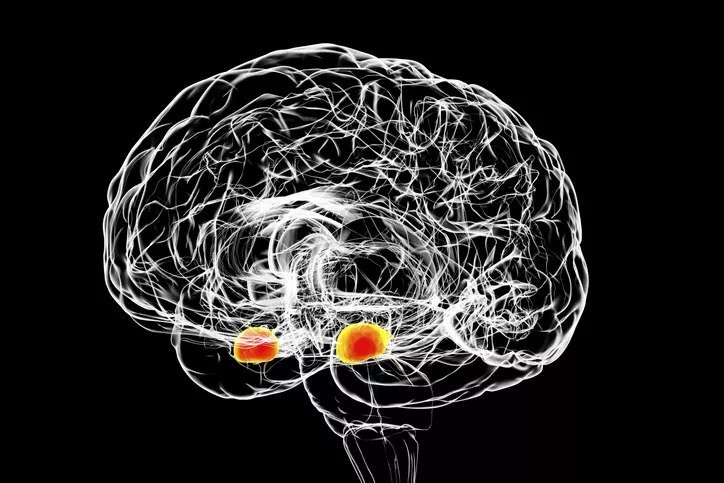
“What appears to happen is that in this key area of brain, the amygdala, the support system becomes overactive,” says James Herman, PhD, associate director of the UC Gardner Neuroscience Institute, and Department Chair and the Flor van Maanen Endowed Chair for Pharmacology and Systems Physiology in the UC College of Medicine and senior author of the study. “Rather than being very [adaptable], and being able to be changed, being able to profit from experience, what ends up happening is the neurons become insulated. As a consequence of that insulation, they’re not able to drive the adaptive behaviors that you would normally see on an everyday basis. It’s not the neurons, it’s the insulators of the neurons that are causing this problem and that’s a very novel finding.”
Herman says, unfortunately, that loss is a major contributor to several mental health related conditions. It’s frequently a trigger for depressive episodes and may contribute to the epidemic of mental health consequences linked to isolation during the COVID-19 pandemic.
Smail says one aspect of the research that she likes is that it is very interdisciplinary and collaborative, and it allowed her to explore a variety of topics and techniques to ultimately identify a novel mechanism that occurs in loss.
“Beginning with an unbiased screen meant that this was a true ‘follow the data’ project,” Smail says. “We did not expect to investigate the brain’s immune cells and supporting structure, respectively, but these endpoints led to several great collaborations and a range of molecular and behavioral experiments to understand their roles.
“The resulting mechanism described in the paper is quite novel and shares several characteristics with loss in humans, leading us to believe it is relevant for understanding this common experience.”
Lead image of the amygdala region of the brain/Kateryna Kon/Getty Images
Next Lives Here
The University of Cincinnati is classified as a Research 1 institution by the Carnegie Commission and is ranked in the National Science Foundation's Top-35 public research universities. UC's graduate students and faculty investigate problems and innovate solutions with real-world impact. Next Lives Here.
Related Stories
Sugar overload killing hearts
November 10, 2025
Two in five people will be told they have diabetes during their lifetime. And people who have diabetes are twice as likely to develop heart disease. One of the deadliest dangers? Diabetic cardiomyopathy. But groundbreaking University of Cincinnati research hopes to stop and even reverse the damage before it’s too late.
App turns smartwatch into detector of structural heart disease
November 10, 2025

An app that uses an AI model to read a single-lead ECG from a smartwatch can detect structural heart disease, researchers reported at the 2025 Scientific Sessions of the American Heart Association. Although the technology requires further validation, researchers said it could help improve the identification of patients with heart failure, valvular conditions and left ventricular hypertrophy before they become symptomatic, which could improve the prognosis for people with these conditions.
Combination immunotherapy helps overcome melanoma treatment resistance
November 10, 2025

MSN highlighted research led by the University of Cincinnati Cancer Center's Trisha Wise-Draper showing a combination of immunotherapy medications can activate a robust immune response and help overcome treatment resistance in patients with refractory melanoma.