WLWT: UC expert discusses colorectal cancer screening recommendations

March is Colon Cancer Awareness Month, and the University of Cincinnati Cancer Center's Carla F. Justiniano, MD, discussed the importance of screening with WLWT's Meredith Stutz.
In 2021, the recommended screening age for colorectal cancer was decreased from 50 to 45. But Justiniano noted people with a family history of colorectal cancer may need to be screened even earlier, 10 years before the family member was diagnosed. So if a parent was diagnosed at age 49, their child may want to start screening at age 39.
"I think, you know, that the repercussions of having an early cancer that gets cut, that is caught during a screening colonoscopy versus having something very advanced, is so different," said Justiniano, a Cancer Center colorectal surgeon and assistant professor in UC's College of Medicine. "You know, if you have an early rectal cancer caught in a colonoscopy, you can have minimally invasive surgery or approaches. Maybe you don't even need your rectum removed, things like that. And your life could very much go on without too much change."
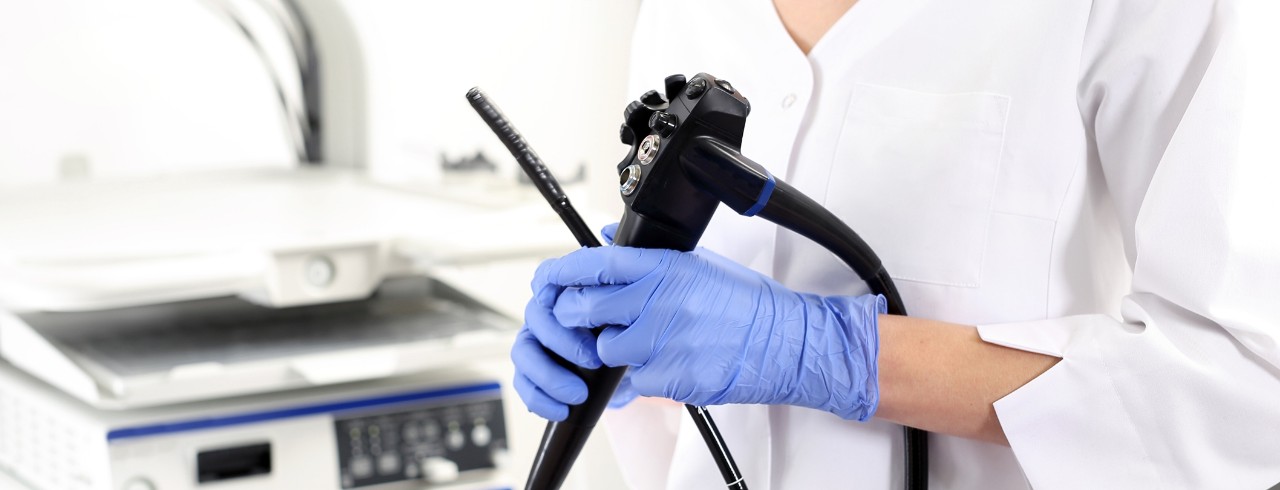
Featured photo at top courtesy of iStock Photo.
Related Stories
Sugar overload killing hearts
November 10, 2025
Two in five people will be told they have diabetes during their lifetime. And people who have diabetes are twice as likely to develop heart disease. One of the deadliest dangers? Diabetic cardiomyopathy. But groundbreaking University of Cincinnati research hopes to stop and even reverse the damage before it’s too late.
Is going nuclear the solution to Ohio’s energy costs?
November 10, 2025

The Ohio Capital Journal recently reported that as energy prices continue to climb, economists are weighing the benefits of going nuclear to curb costs. The publication dove into a Scioto Analysis survey of 18 economists to weigh the pros and cons of nuclear energy. One economist featured was Iryna Topolyan, PhD, professor of economics at the Carl H. Lindner College of Business.
App turns smartwatch into detector of structural heart disease
November 10, 2025

An app that uses an AI model to read a single-lead ECG from a smartwatch can detect structural heart disease, researchers reported at the 2025 Scientific Sessions of the American Heart Association. Although the technology requires further validation, researchers said it could help improve the identification of patients with heart failure, valvular conditions and left ventricular hypertrophy before they become symptomatic, which could improve the prognosis for people with these conditions.