Medium: Are artificial sweeteners harmful? The truth
UC expert describes a link between artificial sweeteners and headaches

An article posted on Medium.com takes a deep dive into artificial sweeteners. The story examines what they are, takes a look at the different types of sweeteners that are on the market and the various effects they have on a person's health.
Included in those health impacts are weight gain, depression, digestive issues and headaches.
The article quotes Vincent Martin, MD, professor in the Department of Internal Medicine at the UC College of Medicine, director of the Headache and Facial Pain Center at the UC Gardner Neuroscience Institute who has analyzed research on the connection between artificial sweeteners and headaches.

Vincent Martin, MD, professor in the Department of Internal Medicine at the UC College of Medicine, director of the Headache and Facial Pain Center at the UC Gardner Neuroscience Institute /Photo/Colleen Kelley/UC Marketing + Brand
The article in Medium.com reports artificial sweeteners, like aspartame, have been shown to cause headaches in a small percentage of people. People who have migraines have been shown to be more susceptible to getting headaches after consuming artificial sweeteners.
Referring to that research, Martin concluded that “Two of the three randomized studies involving aspartame have shown a positive correlation between the sweetener and headache.”
However, he also says that “… you really have to ingest large quantities of aspartame to generate headache. It might be two to three liters of diet soda per day. It also requires a prolonged exposure. A headache may not occur with one drink.”
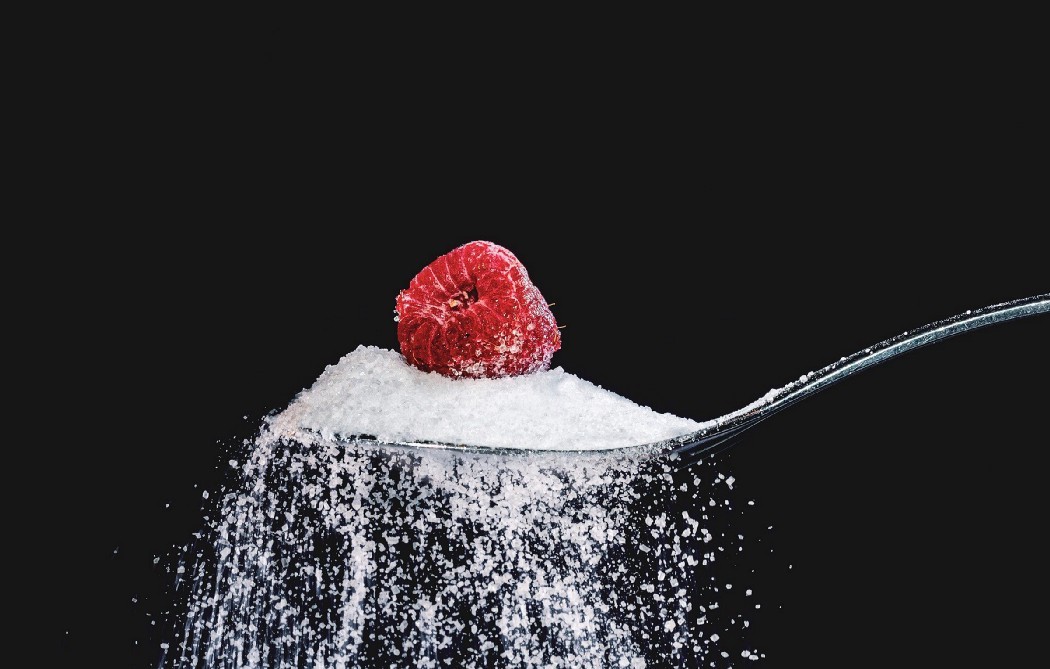
Lead photo/Myriam Zilles/Unsplash
Next Lives Here
The University of Cincinnati is classified as a Research 1 institution by the Carnegie Commission and is ranked in the National Science Foundation's Top-35 public research universities. UC's medical, graduate and undergraduate students and faculty investigate problems and innovate solutions with real-world impact. Next Lives Here.
Related Stories
Sugar overload killing hearts
November 10, 2025
Two in five people will be told they have diabetes during their lifetime. And people who have diabetes are twice as likely to develop heart disease. One of the deadliest dangers? Diabetic cardiomyopathy. But groundbreaking University of Cincinnati research hopes to stop and even reverse the damage before it’s too late.
Is going nuclear the solution to Ohio’s energy costs?
November 10, 2025

The Ohio Capital Journal recently reported that as energy prices continue to climb, economists are weighing the benefits of going nuclear to curb costs. The publication dove into a Scioto Analysis survey of 18 economists to weigh the pros and cons of nuclear energy. One economist featured was Iryna Topolyan, PhD, professor of economics at the Carl H. Lindner College of Business.
App turns smartwatch into detector of structural heart disease
November 10, 2025

An app that uses an AI model to read a single-lead ECG from a smartwatch can detect structural heart disease, researchers reported at the 2025 Scientific Sessions of the American Heart Association. Although the technology requires further validation, researchers said it could help improve the identification of patients with heart failure, valvular conditions and left ventricular hypertrophy before they become symptomatic, which could improve the prognosis for people with these conditions.