WVXU: Does a key Alzheimer's study contain fabricated images?

A theory on what causes Alzheimer’s disease has been called into question following a recent investigation by Science Magazine that found potential image manipulation in a key 2006 study. The influential study popularized the “amyloid hypothesis” that Alzheimer’s disease is caused by sticky amyloid plaques in the brain.
The University of Cincinnati’s Alberto Espay, MD, professor of neurology in UC’s College of Medicine and a UC Health physician, has been outspoken in his questioning of the theory for years, noting that every subsequent study has disproven the amyloid hypothesis, despite nearly 2,300 articles citing the 2006 study and approximately $287 million in federal funding supporting this line of research.
Espay joined Charles Piller, author of the Science Magazine investigation, on WVXU's Cincinnati Edition to discuss the controversy and the future of Alzheimer's research.
"By the age of 85 years, which is in a normal lifespan, 60% of us will have these amyloid plaques, and yet only 10% of us will have dementia," Espay told Cincinnati Edition. "So that’s prevalence five times lower than predicted if amyloid were toxic."
Espay argues that amyloid plaques are a “consequence, not a cause” of Alzheimer’s disease. Cognitive impairment, he said, could be due to a decline in levels of a specific brain protein called amyloid-beta peptide, which then leads to the accumulation of amyloid plaques in the brain.
"My hope would be that this would be the greatest incentive that we needed to take on in order to revisit what is it that we used as the reason for which Alzheimer’s appears," Espay said. "It’s really overdue for a complete revisitation, and we need to think about our patients because they really need for us to not just simply be connected to an idea just because it’s compelling."
Listen to the Cincinnati Edition segment.
Dr. Espay also spoke about this topic on 55KRC's Simply Medicine radio show and podcast. Listen to the Simply Medicine segment. (Note: Segment begins around 1:25 mark.)
Read more about Espay’s research and alternative hypothesis for the cause of Alzheimer’s disease.
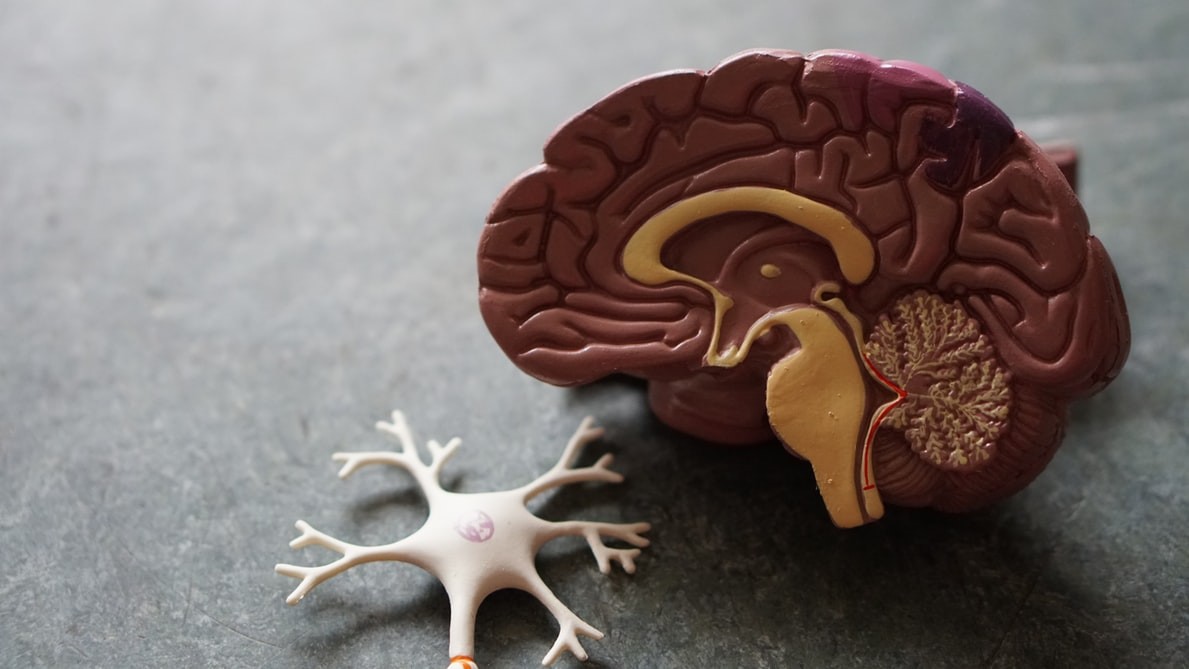
Featured photo at top courtesy of Unsplash.
Related Stories
Sugar overload killing hearts
November 10, 2025
Two in five people will be told they have diabetes during their lifetime. And people who have diabetes are twice as likely to develop heart disease. One of the deadliest dangers? Diabetic cardiomyopathy. But groundbreaking University of Cincinnati research hopes to stop and even reverse the damage before it’s too late.
Is going nuclear the solution to Ohio’s energy costs?
November 10, 2025

The Ohio Capital Journal recently reported that as energy prices continue to climb, economists are weighing the benefits of going nuclear to curb costs. The publication dove into a Scioto Analysis survey of 18 economists to weigh the pros and cons of nuclear energy. One economist featured was Iryna Topolyan, PhD, professor of economics at the Carl H. Lindner College of Business.
App turns smartwatch into detector of structural heart disease
November 10, 2025

An app that uses an AI model to read a single-lead ECG from a smartwatch can detect structural heart disease, researchers reported at the 2025 Scientific Sessions of the American Heart Association. Although the technology requires further validation, researchers said it could help improve the identification of patients with heart failure, valvular conditions and left ventricular hypertrophy before they become symptomatic, which could improve the prognosis for people with these conditions.