WMC Channel 5 Memphis: New device helping patients hear better without discomfort
UC professor discusses new implant to help hearing impaired individuals

About 15 percent of all American adults report some trouble hearing, yet fewer than one in three people who could benefit from hearing aids have ever used them. Now, a new hearing implant has the potential to help people with hearing issues who have been unable to use devices in the past.
Ravi Samy, MD, professor in the University of Cincinnati College of Medicine and chief of the UC Division of Otology/Neurotology, spoke with Ivanhoe Broadcasting for a segment about a new implant designed to help hearing impaired patients. The Bonebridge is placed behind the ear underneath the skin. When activated, the device restores hearing to patients who partially or fully lost it previously.
Bonebridge is also the world’s first active bone conduction implant system, which sends sounds directly to the inner ear by way of vibration, bypassing the outer and middle ear. This system can be life-changing for people who do not have a functional or intact hearing system and who are not able to wear traditional hearing aids.
Listen to the full interview with Ravi Samy, MD, online.
Coverage of the Bonebridge was also featured on other stations:
Learn more about the Bonebridge and Ravi Samy, MD, online.
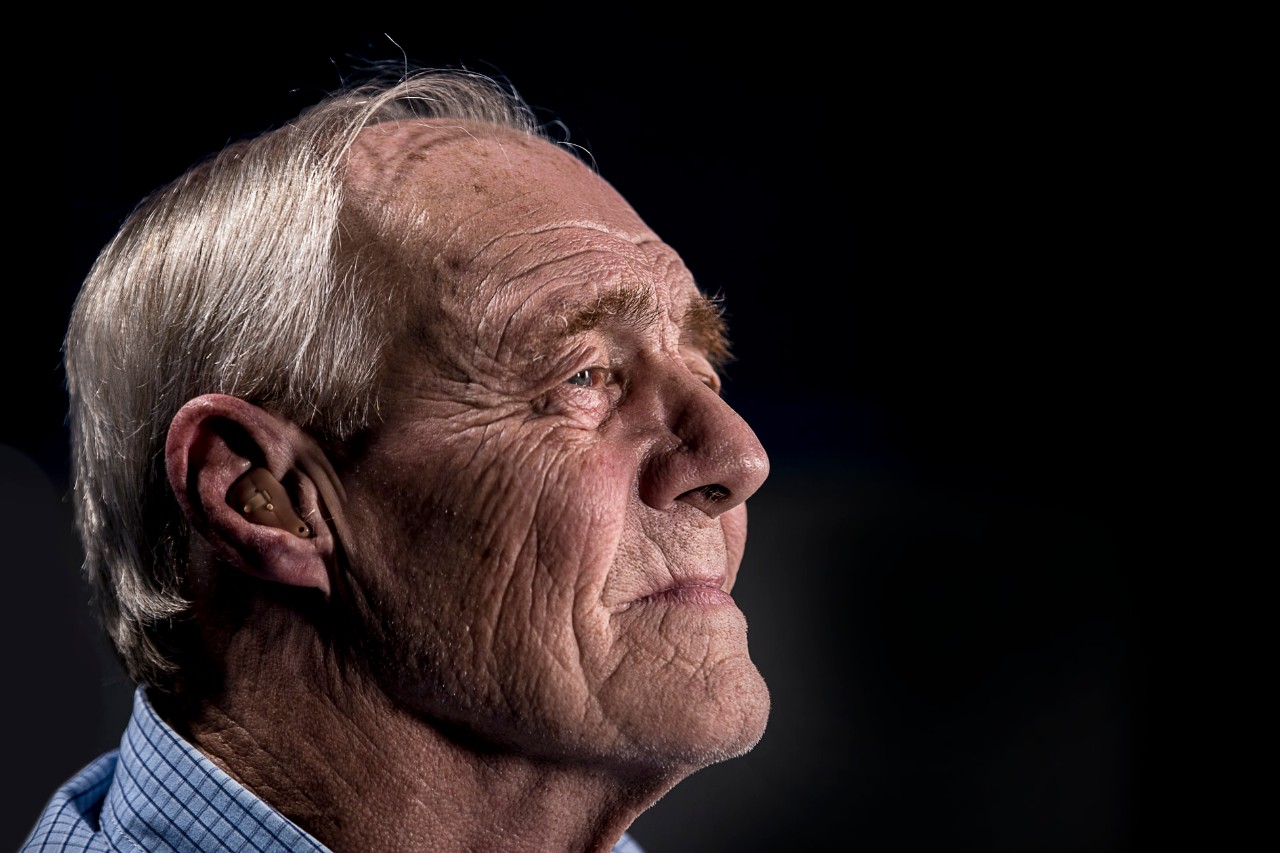
Featured image is courtesy of Unsplash.
Related Stories
Sugar overload killing hearts
November 10, 2025
Two in five people will be told they have diabetes during their lifetime. And people who have diabetes are twice as likely to develop heart disease. One of the deadliest dangers? Diabetic cardiomyopathy. But groundbreaking University of Cincinnati research hopes to stop and even reverse the damage before it’s too late.
Is going nuclear the solution to Ohio’s energy costs?
November 10, 2025

The Ohio Capital Journal recently reported that as energy prices continue to climb, economists are weighing the benefits of going nuclear to curb costs. The publication dove into a Scioto Analysis survey of 18 economists to weigh the pros and cons of nuclear energy. One economist featured was Iryna Topolyan, PhD, professor of economics at the Carl H. Lindner College of Business.
App turns smartwatch into detector of structural heart disease
November 10, 2025

An app that uses an AI model to read a single-lead ECG from a smartwatch can detect structural heart disease, researchers reported at the 2025 Scientific Sessions of the American Heart Association. Although the technology requires further validation, researchers said it could help improve the identification of patients with heart failure, valvular conditions and left ventricular hypertrophy before they become symptomatic, which could improve the prognosis for people with these conditions.