Medscape: Emergency Surgery Complications, but Not Mortality, Linked With Surgeons' Experience
UC surgeon weighs in on new study about early-career acute care surgeons

Timothy Pritts, MD, PhD, professor of surgery in the UC College of Medicine, spoke with a Reuters Health journalist about a new study that suggests emergency surgery patients cared for by early-career "acute-care" surgeons have similar mortality rates as patients with more senior surgeons but are more likely to need to go back to the operating room.
"The data examined in this study are significantly more detailed than in previous studies,” Pritts told Reuters Health.

Timothy Pritts, MD, PhD.
"Acute-care surgeons must make complex decisions in critically ill patients in a rapid fashion, often with incomplete data," he noted. "The finding that there were no mortality differences between the groups of surgeons studied highlights the high quality of care that these very sick patients received. The reasons for more frequent returns to the operating room are unclear from this study and are worthy of further investigation."
"Within our group, more recently trained surgeons receive very intense mentoring during their initial practice period," he said. "The findings highlight just how critically ill this patient population is and how challenging the care can be."
"The availability of senior surgeons to provide mentorship may vary from institution to institution, or there may be a culture where younger surgeons may be hesitant to ask for help," he added. "The findings highlight the need for a culture of constant communication, liberal use of intra-operative consultation, and a low threshold for calling for help from more senior surgeons."
Read the full story in Medscape.
Learn more about Timothy Pritts, MD, PhD.
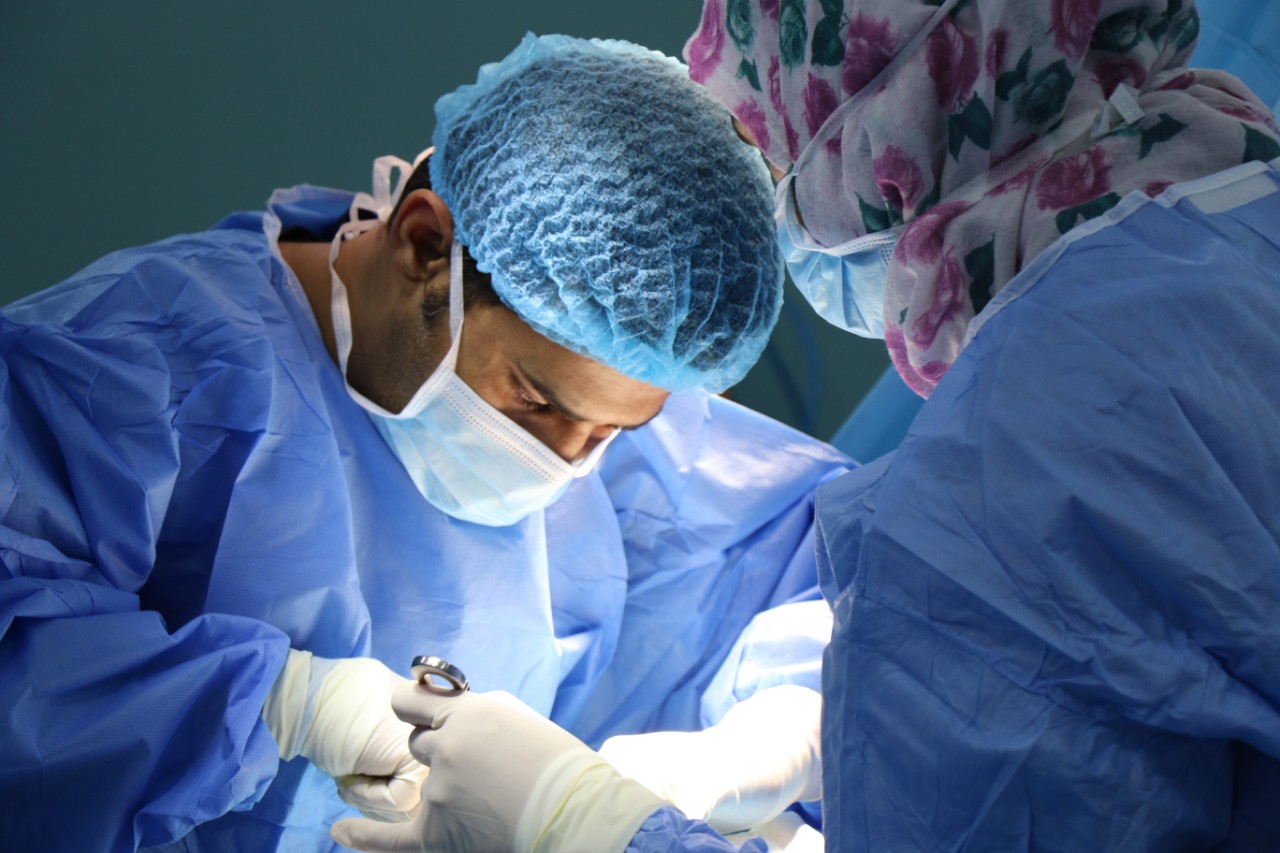
Featured image of a general surgery is courtesy of Unsplash.
Related Stories
Sugar overload killing hearts
November 10, 2025
Two in five people will be told they have diabetes during their lifetime. And people who have diabetes are twice as likely to develop heart disease. One of the deadliest dangers? Diabetic cardiomyopathy. But groundbreaking University of Cincinnati research hopes to stop and even reverse the damage before it’s too late.
Is going nuclear the solution to Ohio’s energy costs?
November 10, 2025

The Ohio Capital Journal recently reported that as energy prices continue to climb, economists are weighing the benefits of going nuclear to curb costs. The publication dove into a Scioto Analysis survey of 18 economists to weigh the pros and cons of nuclear energy. One economist featured was Iryna Topolyan, PhD, professor of economics at the Carl H. Lindner College of Business.
App turns smartwatch into detector of structural heart disease
November 10, 2025

An app that uses an AI model to read a single-lead ECG from a smartwatch can detect structural heart disease, researchers reported at the 2025 Scientific Sessions of the American Heart Association. Although the technology requires further validation, researchers said it could help improve the identification of patients with heart failure, valvular conditions and left ventricular hypertrophy before they become symptomatic, which could improve the prognosis for people with these conditions.