US News & World Report: Lung cancer screening and COVID-19
UC study reveals drop in lung cancer screening during COVID-19 surge

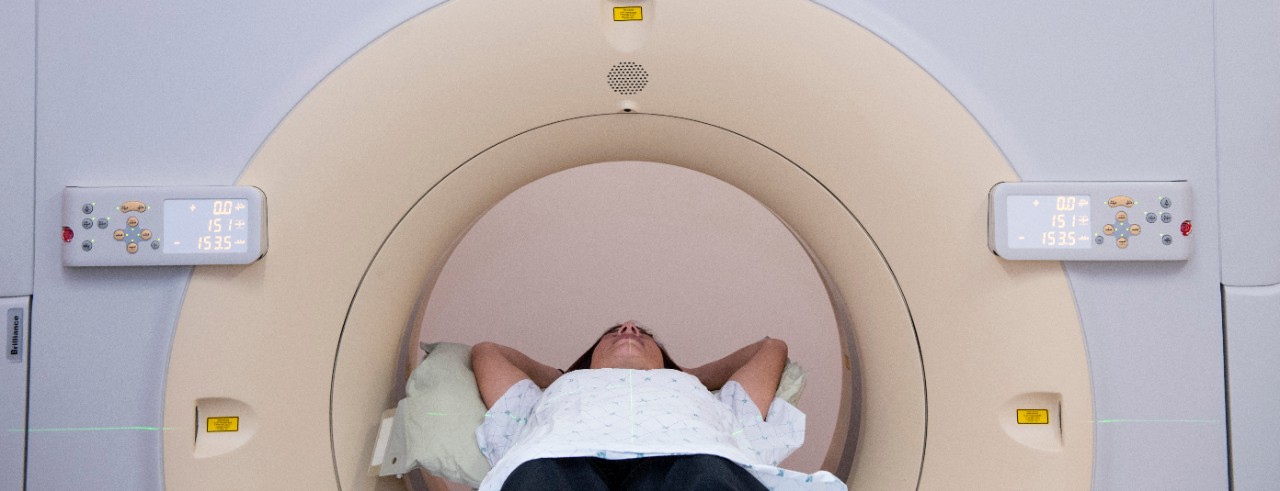
When the COVID-19 pandemic hit the United States, many routine cancer screenings were put on hold. Now a new study in the Journal of the American College of Surgeons suggests that lung cancer screenings have yet to rebound.
Robert Van Haren, MD, a University of Cincinnati Cancer Center researcher, assistant professor of surgery at the University of Cincinnati and a UC Health Thoracic Surgeon, led this research at UC.
"We looked back at our cancer screening program. It's a program that uses CT scans to find lung nodules and lung cancers early," he says. "It's an important program because it reduces cancer mortality related to lung cancer, because we find those cancers earlier and then patients do better. When we reopened, we found that new patients were less likely to come for their lung cancer screening. We also found patients were more likely to be a no-show for their appointments.
"Most importantly, we found when we resumed our lung screening operations, patients were more likely to have lung nodules that were suspicious for a cancer. Then, they were sent on to procedures or biopsies to confirm and treat the cancer."
Read the full HealthDay News/U.S. News & World Report story.
Stories were also reported by Local 12 and The Cincinnati Enquirer.
Read more about the study on UC News.
Featured photo by Colleen Kelley.
Impact Lives Here
The University of Cincinnati is leading public urban universities into a new era of innovation and impact. Our faculty, staff and students are saving lives, changing outcomes and bending the future in our city's direction. Next Lives Here.
Stay up on all UC's COVID-19 stories, or take a UC virtual visit and begin picturing yourself at an institution that inspires incredible stories.
Related Stories
Sugar overload killing hearts
November 10, 2025
Two in five people will be told they have diabetes during their lifetime. And people who have diabetes are twice as likely to develop heart disease. One of the deadliest dangers? Diabetic cardiomyopathy. But groundbreaking University of Cincinnati research hopes to stop and even reverse the damage before it’s too late.
Is going nuclear the solution to Ohio’s energy costs?
November 10, 2025

The Ohio Capital Journal recently reported that as energy prices continue to climb, economists are weighing the benefits of going nuclear to curb costs. The publication dove into a Scioto Analysis survey of 18 economists to weigh the pros and cons of nuclear energy. One economist featured was Iryna Topolyan, PhD, professor of economics at the Carl H. Lindner College of Business.
App turns smartwatch into detector of structural heart disease
November 10, 2025

An app that uses an AI model to read a single-lead ECG from a smartwatch can detect structural heart disease, researchers reported at the 2025 Scientific Sessions of the American Heart Association. Although the technology requires further validation, researchers said it could help improve the identification of patients with heart failure, valvular conditions and left ventricular hypertrophy before they become symptomatic, which could improve the prognosis for people with these conditions.