The Journal-News: UC law professor weighs in on student rights

When two Warren County high school football players recently ran onto the field carrying flags honoring police and firefighters after being told not to, the resulting disciplinary action taken by the school against them drew national media attention.
The players, who were reinstated following a public backlash, even received accolades from President Donald Trump, who invited them to attend a political rally in Toledo where they were cheered by thousands.
While the incident comes as the nation grapples with heightened racial tensions, also at issu here, reports The Journal-News, is the long-simmering debate between students’ free expression of rights and school rules. In examining the complex issue, they turned to Ronna Greff Schneider, a University of Cincinnati College of Law professor who specializes in school law and is co-editor of the Education Law Stories.
“The intensity of the stories is due to the polarization for the country,” said Schneider. The record of court decisions forming the evolution of American legal rights for students long ago established “students don’t give up their rights when they walk through the school doors,” she said.
Schools, however, have their own legal precedence for maintaining a peaceful place to perform their educational mission.
In other words, said Schneider, “student rights in the classroom are not the same as adult rights on Fountain Square” in downtown Cincinnati.
The degree to how local school districts can restrict political-oriented signs, clothing and actions has in recent years been shaped by a general legal philosophy as determined by various court decisions, said Schneider.
The defining legal focus now widely applied in schools, she said, is whether school officials can make a “forecast of disruption” stemming from what a student is expressing.
Context is key, she said.
“Sometimes schools ban the display of the Confederate flag based on the history at that school and sometimes because of the racial relations at the time,” she said.
For schools, said Schneider, “there is a right in these contentious times to make this forecast of disruption.”
Read the full story here.
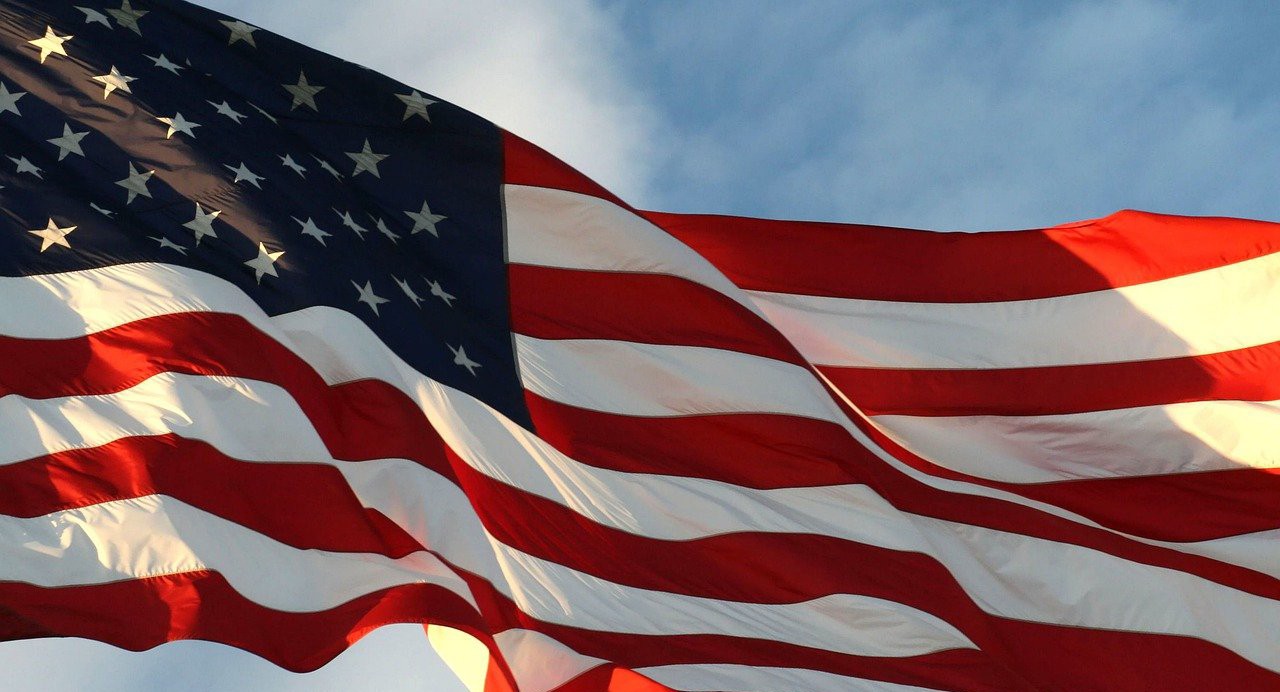
Featured image at top: American flag by pixabay.com
Related Stories
Sugar overload killing hearts
November 10, 2025
Two in five people will be told they have diabetes during their lifetime. And people who have diabetes are twice as likely to develop heart disease. One of the deadliest dangers? Diabetic cardiomyopathy. But groundbreaking University of Cincinnati research hopes to stop and even reverse the damage before it’s too late.
Is going nuclear the solution to Ohio’s energy costs?
November 10, 2025

The Ohio Capital Journal recently reported that as energy prices continue to climb, economists are weighing the benefits of going nuclear to curb costs. The publication dove into a Scioto Analysis survey of 18 economists to weigh the pros and cons of nuclear energy. One economist featured was Iryna Topolyan, PhD, professor of economics at the Carl H. Lindner College of Business.
App turns smartwatch into detector of structural heart disease
November 10, 2025

An app that uses an AI model to read a single-lead ECG from a smartwatch can detect structural heart disease, researchers reported at the 2025 Scientific Sessions of the American Heart Association. Although the technology requires further validation, researchers said it could help improve the identification of patients with heart failure, valvular conditions and left ventricular hypertrophy before they become symptomatic, which could improve the prognosis for people with these conditions.